Live Camera: Kyoto Station Bus Terminal
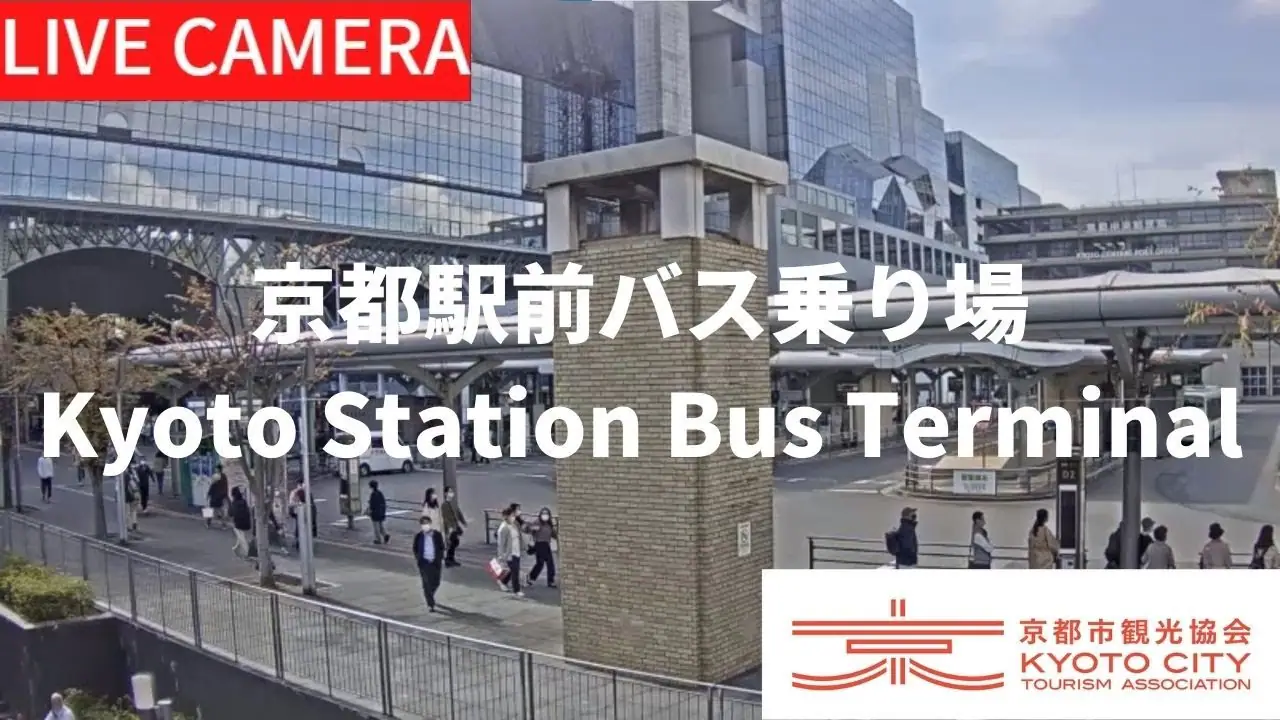
Kyoto Station Bus Terminal Webcam
The webcam at the Kyoto Station Bus Terminal offers a clear street-level view of one of the city’s busiest transport hubs. It lets viewers watch buses, pedestrians, luggage, and the steady movement around Kyoto Station, making it useful for anyone planning a visit or simply wanting a real-time look at daily city life. As part of the Volve Vision catalog, it fits the kind of camera that shows active places with practical value and a strong sense of atmosphere.
Because the terminal sits beside Kyoto Station, the scene reflects a major urban center rather than a single landmark. Frequent arrivals, travelers changing direction, and constant foot traffic create a busy but readable view that helps with orientation before heading to temples, shopping streets, or nearby neighborhoods. For visitors, it can be a simple way to understand how central the station area is and how movement flows through the city.
The terminal also connects travelers to some of Kyoto’s best-known destinations, including Fushimi Inari Taisha, Kinkaku-ji, Kiyomizu-dera, Arashiyama, and the Gion district. That makes the webcam more than a transport view; it is a useful starting point for seeing how daily travel and cultural sightseeing meet in one place. The camera helps show why Kyoto is so closely linked with both efficient transit and widely visited historic sites.
What the camera helps you notice
The main value of this view is detail and movement rather than scenery. You can observe how buses arrive and depart, how people gather and disperse, and how the terminal works as a transfer point throughout the day. For frequent viewers, it gives a practical sense of the station area without needing dramatic weather, a landmark close-up, or a special event to stay interesting. It is useful because it shows a real working part of the city.
It also works well for people who like to understand travel destinations through their everyday transport scenes. Kyoto combines historic areas with a highly organized rail and bus network, and this webcam reflects that balance clearly. When viewers browse the Volve Vision catalogue, they often want a quick sense of how a place feels before visiting. This camera delivers that impression through movement, order, and the constant activity of a major urban gateway.
Places to connect with a Kyoto visit
Fushimi Inari Taisha is one of Kyoto’s most famous destinations, and its shrine setting offers a strong contrast to the practical, urban atmosphere around the bus terminal. Many travelers place it high on their list because it represents a memorable cultural visit that feels different from the station area, yet remains easy to connect with the wider city experience.
Kinkaku-ji provides a calmer and more iconic temple visit, making it a natural counterpoint to the busy transport scene near Kyoto Station. It gives visitors a sense of Kyoto’s quieter side while still fitting into a travel plan built around central transit, and it is often remembered as one of the city’s most recognizable cultural stops.
Kiyomizu-dera is another major Kyoto name, widely known to visitors who want a classic sightseeing stop. It pairs well with the city’s transport network because it represents the historic and cultural side of Kyoto, while the station area shows the practical side of getting around and beginning a day of exploration.
Arashiyama is popular for its scenic atmosphere and shows how easily a Kyoto stay can move from a busy terminal to a more relaxed area with a strong local identity. It highlights the variety available within the city and reminds viewers that Kyoto is not only about central traffic, but also about places with a gentler pace and a different mood.
Gion remains one of Kyoto’s best-known districts and helps show how the city combines transit, tradition, and everyday street life. It is a natural reminder that a visit can move from the station to historic streets, where local character, culture, and daily activity continue to shape the experience of the city.
People who enjoy watching the Kyoto Station Bus Terminal Cam often explore other famous Japanese places as well, including Tokyo Tower, Mount Fuji, Osaka Castle, the Hiroshima Peace Memorial Park, and Senso-ji. These names are popular because they capture different sides of Japan, from urban skylines and natural views to historical memory and long-standing traditions. Together they help create a broader picture of the country’s appeal for travelers and webcam viewers alike.
Transport cameras remain popular because they do more than show a bus stop or station entrance. They capture arrival and departure, which is a central part of travel and often the first impression of a city. This webcam shows Kyoto the way many visitors first meet it: active, organized, and connected to places worth exploring next. Volve Vision highlights that everyday authenticity, which is part of what makes the catalog useful for both tourists and general viewers.
More live cameras nearby

World map
Explore live cameras from around the world
Open the global map, jump between countries and cities, and discover new live views beyond this page.
Open camera mapComments
Share your thoughts, ask a question, or continue the discussion inside a thread.
Join the discussion to leave a comment or reply inside a thread.
Frequently asked questions
Where can I watch the Kyoto Station Bus Terminal live cam?
Is there a live webcam of Kyoto Station Bus Terminal?
How do I watch Kyoto Station Bus Terminal webcam live?
What does the Kyoto Station Bus Terminal camera show?
Is there a webcam in japan?
Is the Kyoto Station Bus Terminal webcam free to watch?