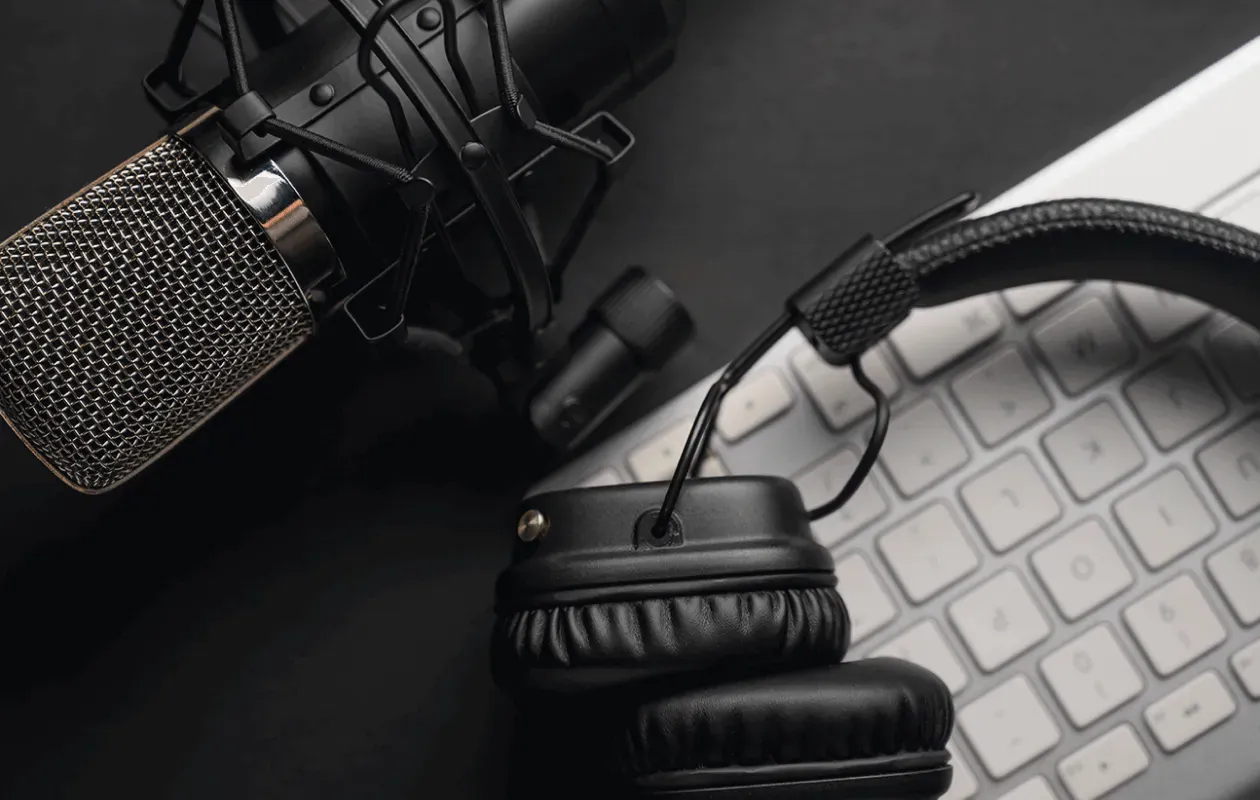
Riverside on Best Podcast Equipment in 2026: What to Buy at Every Budget, a guide published Tuesday that lays out podcast gear recommendations across price points from under $200 to full pro studio setups, based on the company’s use of the equipment across more than 500 episodes over 15 years.
The guide says its recommendations are based on long-term use rather than short-term lab testing and are meant to help creators choose equipment by budget and production needs. Riverside said it judged gear on sound quality, ease of use, upgrade path, durability and overall value.
For beginners, the company said the most important purchases are a microphone, closed-back headphones, a pop filter and recording software. It recommends starting with a simple plug-and-play setup built around one USB microphone, headphones and a basic boom arm or stand, especially for first-time hosts recording at home or on the road.
In the sub-$500 range, Riverside recommends moving to an XLR microphone, audio interface and better monitoring headphones. The company said that tier improves clarity, gain control and flexibility for multi-host recording, while still remaining compact enough for travel-friendly creators and small teams.
For setups under $1,000, Riverside points to a more complete studio kit with two microphones, a dual-channel interface or mixer and stronger acoustic control. The list also includes accessories such as shock mounts, boom arms, cables and sound treatment. Riverside described that range as best suited for creators who publish weekly and want repeatable results.
The guide also outlines a high-end podcast studio setup for teams, networks and video podcasts, with multiple microphones, a mixer, backup recording and monitoring. It says the choice between dynamic and condenser microphones should depend on room noise and production style, and it includes workflow considerations for remote guests, live recording and post-production efficiency.
Riverside said the biggest audio gains usually come from the microphone, room noise control and headphone monitoring, and cautioned against overspending on accessories before the basics are in place. The recommended buying order starts with the microphone, then moves to headphones and room treatment, with accessories added later as needed.
The company’s podcast-equipment guide is available on its marketing blog.
Riverside’s release follows a steady stream of how-to content aimed at creators and publishers, including coverage areas listed on its newsroom site such as news and live-streams.