Atomos published a profile on June 25 showing how filmmaker Simone Giuffra uses the Ninja’s exposure tools and ProRes RAW recording to create food and product imagery, according to the company.
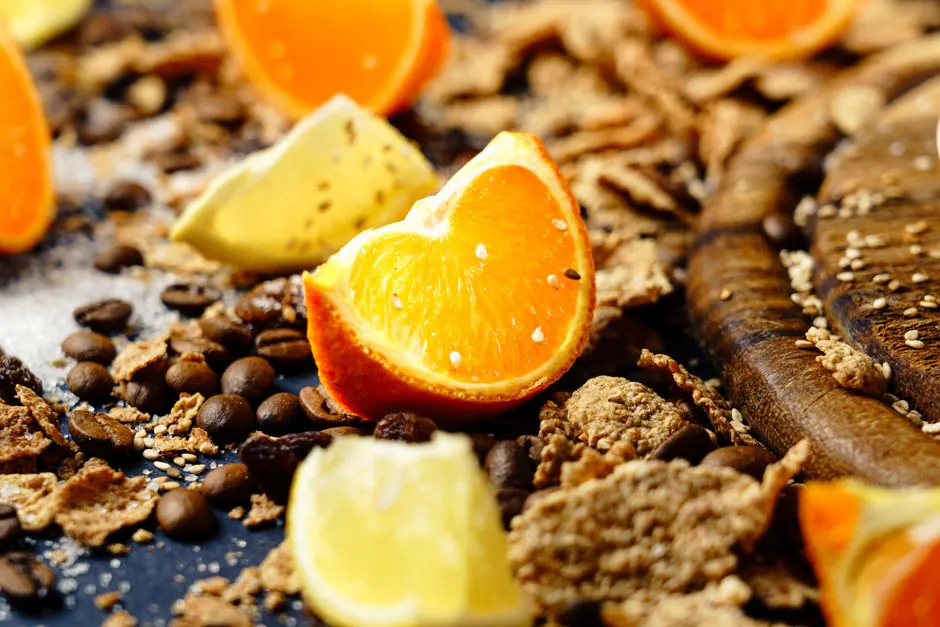
The post, titled Creating food cinema, focuses on Giuffra’s approach to shooting close-up dishes and branded objects with a cinematic look rather than straightforward documentation. Atomos said the workflow centers on careful lighting, framing and composition, with monitoring tools used to keep highlights under control and preserve texture in sauces, steam, reflective packaging and other high-contrast surfaces.
According to the article, the Ninja’s exposure aids help Giuffra make faster decisions on set by reducing guesswork when balancing bright reflections and darker details. The company said those tools support more consistent results in short shoots and in changing light, where precise control can be difficult without real-time monitoring. The workflow was presented as relevant not only to food creators, but also to makers working in travel, lifestyle and webcam-driven branded content. Related coverage in Volve Vision’s news and live streams sections has also tracked how creators are using camera and monitoring tools across different formats.
Atomos said ProRes RAW gives Giuffra additional flexibility in post-production by preserving more detail in highlights and shadows than standard recording formats. In practical terms, the company described that as a way to maintain texture in polished food and product shots while giving more room for color grading and tonal adjustment later. The article did not present the feature as a standalone gear review, but as part of a broader workflow for making clean, premium-looking images.
The company framed the technique as one that can translate beyond food work into social video, marketing assets and travel coverage, where polished visuals are often expected in a compressed production timeline. It also pointed to the same discipline being useful for webcam-based branded content and live visuals, where exposure control and recording quality can affect the final look. For creators focused on close-up imagery, the central lesson was technical control at capture rather than heavier post-production fixes.
The profile fits into a wider creator economy push for short-form visual content that looks highly produced without requiring a large crew. Food and product imagery remain a common visual language across marketing, commerce and social platforms, and Atomos’ piece positioned exposure tools and RAW recording as ways to raise production value while keeping the setup compact.