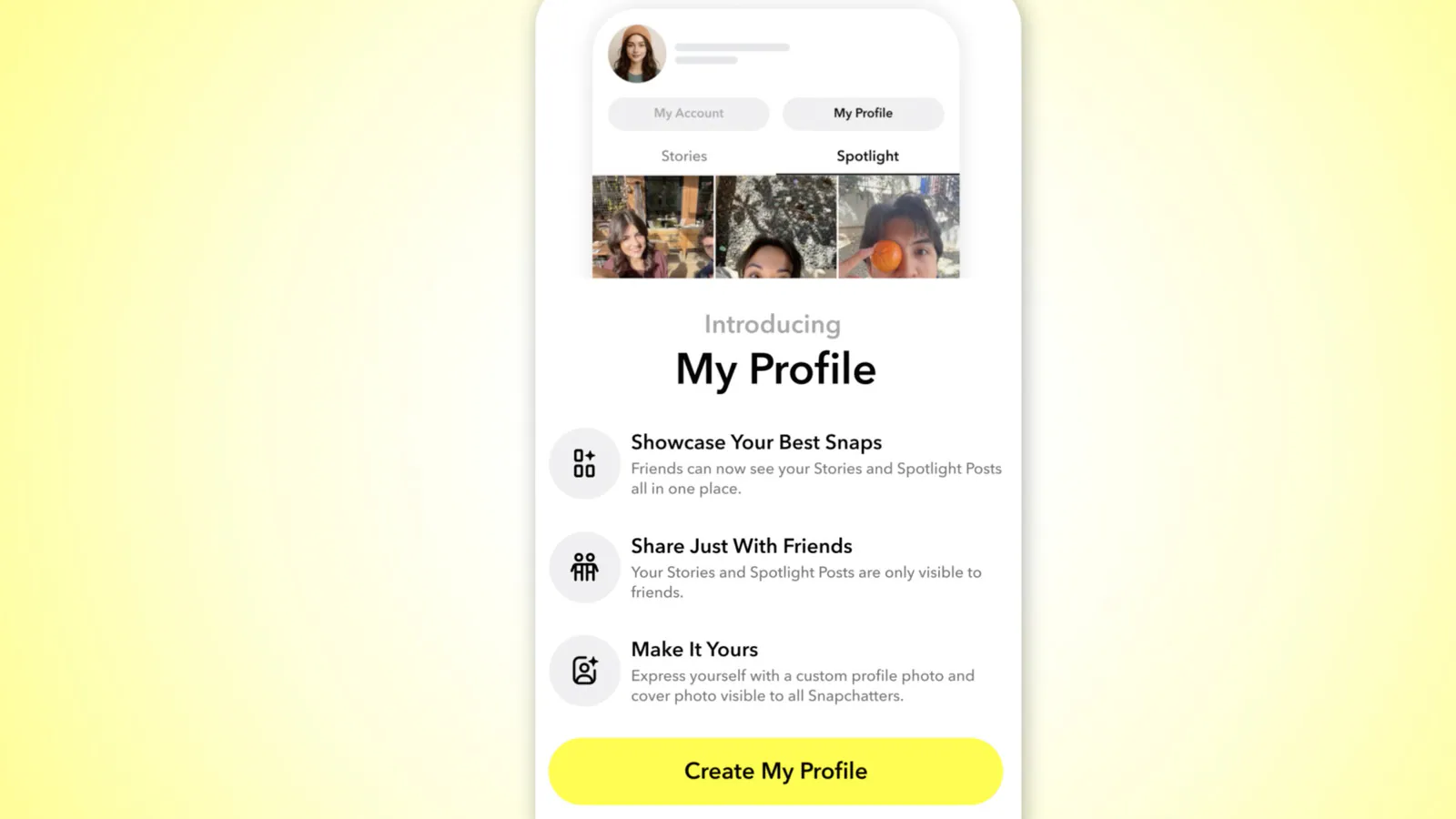
For live-camera operators, streamers, and anyone who watches public video feeds, Snap’s latest move is a reminder that default visibility matters as much as upload tools. The company will stop allowing users ages 13 to 15 to have Spotlight videos publicly viewable by default, tightening a short-video surface that critics said was too open for younger teens.
The change affects how Spotlight content is surfaced and seen, not simply whether a teen can post at all. Younger users will still be able to create videos, but Snap is narrowing the path from posting to public distribution, with the emphasis shifting toward privacy and controlled discovery rather than broad exposure.
What changes in Spotlight
Spotlight is Snap’s short-form video feed, built for discovery much like the endless-scroll surfaces on other social apps. Until now, that meant a younger teen could participate in a public-looking video ecosystem that was designed to be found, recommended, and amplified beyond their friend network.
Under the new policy, users under 16 will no longer have Spotlight videos publicly viewable by default. That matters because default settings often decide whether a clip behaves like a private social post or a creator-style public upload, especially in feeds where recommendation systems can push content far beyond the original audience.
For public-webcam viewers and streamers, the policy shift is a familiar one: platforms are drawing harder lines around who can be discovered by strangers and how easily content can travel. It is the same basic tension that shapes live camera pages, where a stream can be technically public but still needs careful controls around visibility, moderation, and distribution.
Why Snap is changing course now
The move follows criticism from regulators, parents, and child-safety advocates who have argued that public short-video surfaces should not default to broad visibility for minors. The complaint is not just that teens can post, but that platforms can turn a casual clip into a public-performance loop before a young user fully understands the audience.
Snap’s shift also reflects a broader industry pattern. Social platforms have spent years adding age gates, default privacy options, and moderation tools after facing pressure over youth exposure, harassment, and algorithmic amplification. In that climate, keeping younger teens out of public recommendation systems is becoming less like a feature and more like a baseline requirement.
The criticism is straightforward: a public short-video feed was likely too open for users as young as 14. That concern carries weight for any service that mixes creation, recommendation, and public visibility, including the operators behind live webcams and streaming channels who already know how quickly a feed can move from niche audience to mass exposure.
How Spotlight fits Snap’s strategy
Spotlight is Snap’s answer to the short-video discovery feeds that dominate the social app market. It gives Snapchat a way to compete for attention without abandoning the company’s long-standing pitch that the app is still more private and intimate than rival platforms built around public broadcasting.
That balance has always been delicate. Spotlight can drive engagement and time spent in the app, but it also creates pressure to behave like a creator platform, where content is optimized for reach instead of conversation among known contacts.
For a company that has marketed itself as a more private alternative, letting younger teens into a public-facing feed created an obvious contradiction. If a platform tells families it is designed around ephemeral, friend-based sharing, but then routes minors into a discovery engine, the privacy story weakens quickly.
That same contradiction shows up elsewhere in the camera world. A stream may be framed as local or community-oriented, yet the underlying platform incentives often push toward public circulation. Readers tracking that tension can see it in everything from city views to tourist feeds like the Abbey Road crossing cam in London or the 9 de Julio live cam in Buenos Aires, where exposure, context, and audience size all shape the experience.
What it means for teens, parents, and creators
For younger teens, the practical effect is less public reach and less chance of a post being treated like creator content. That may frustrate users who want feedback, visibility, or a larger audience, but it also reduces the odds that a casual post gets pulled into a public recommendation loop.
For parents, the change is easier to defend. A default that limits public exposure is a meaningful safeguard, especially on platforms where minors may not fully understand how a video can be reshared, discovered, or repurposed by strangers.
For creators and aspiring creators, the policy is another sign that audience growth now comes with age-based gates and tighter privacy assumptions. Anyone building around youth-oriented content will need to think more carefully about where distribution begins, where it ends, and what the platform does by default before a video leaves the creator’s immediate circle.
That question is not unique to social apps. Operators of public camera feeds, from construction coverage like the Kyiv test construction cam to street-level views such as the Davao City street view cam, already know that the same feed can serve different audiences depending on how it is surfaced and controlled.
The bigger question for youth safety online
Snap’s change is a platform-level fix, but it does not solve the larger problem on its own. Stronger age verification, better moderation, and more conservative default privacy settings are still necessary if platforms want to keep minors out of public exposure that they do not understand or control.
There is also a deeper issue of consistency. If a service restricts public visibility for younger teens in one product area, the rest of the app has to follow the same logic; otherwise, the policy becomes a patchwork of partial protections rather than a real safety standard.
The industry is moving toward more limits on minors across social apps and video platforms, and Spotlight is another sign of that shift. The next question for operators, developers, and viewers is whether those limits will be enforced cleanly enough to matter.
Watch for whether other short-video and live-stream platforms copy the same default privacy stance for younger users.