Leica Camera Blog on September 9 published a post on Unomia stolonifera, a coral species that has drawn attention for its aggressive spread in parts of Venezuela’s Caribbean coastal waters, according to the photographer featured in the report.
The post centers on the observations of a Venezuelan photographer who documented the coral in field images, framing the subject as both a marine ecology story and a visual record of change along the coast. The report does not present new scientific findings or policy announcements, but instead relies on photography and direct observation to show how the coral appears in local waters.
Unomia stolonifera has attracted notice because of the pace at which it has spread in some coastal areas. In marine environments, rapid growth of a single species can draw interest from scientists and conservation observers because it can alter the appearance of reefs and affect the balance of local habitats. The blog post treats the coral as a subject for documentation rather than as the basis for a formal scientific assessment.
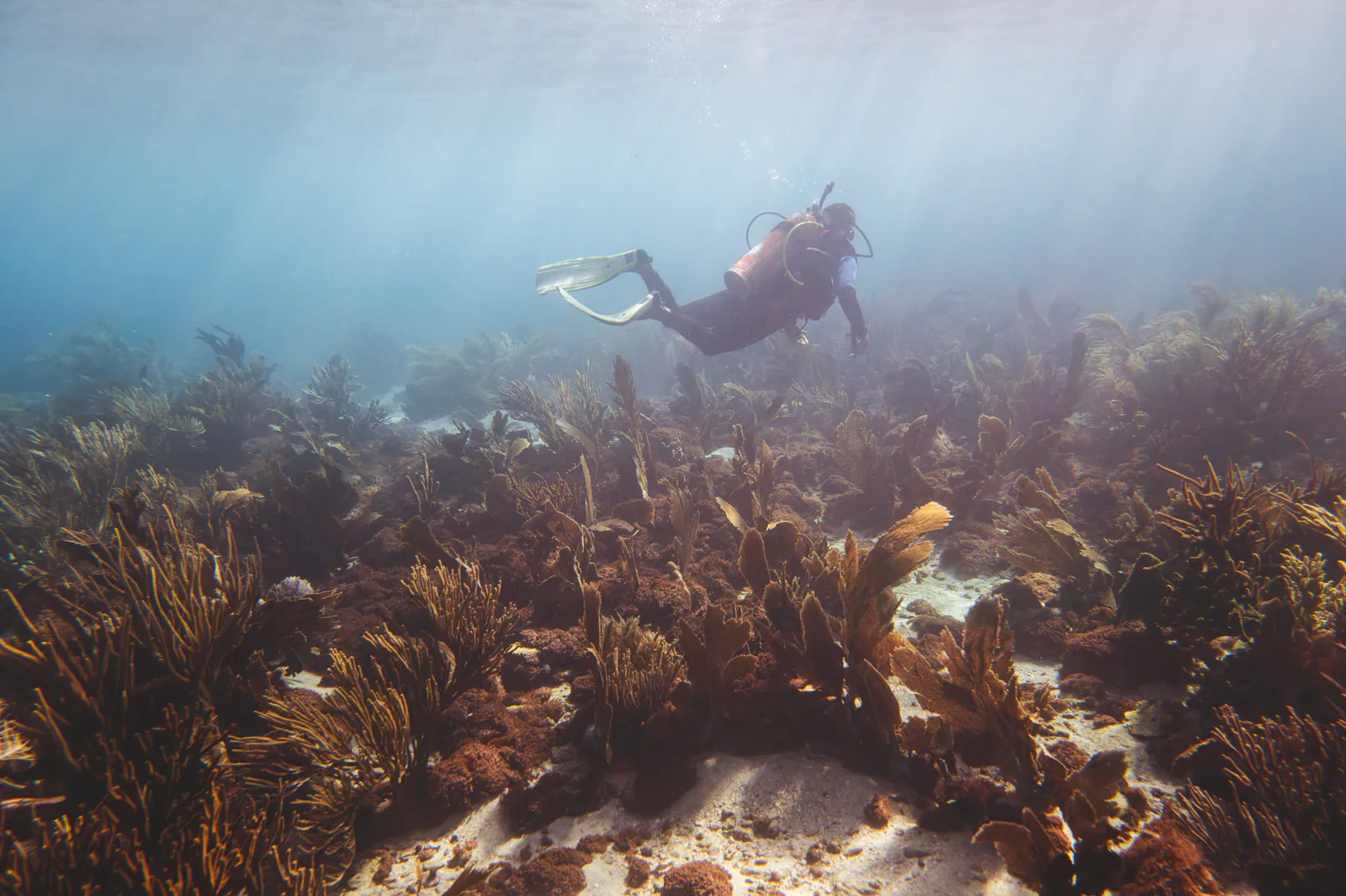
The photographer’s images are central to the piece. Field photography is presented as a way to capture environmental change that may be difficult to appreciate in day-to-day life, especially in coastal settings where conditions can shift gradually or unevenly. The article uses the photographs to show the coral’s presence and its expansion across the seafloor, with the visual record carrying much of the reporting.
Venezuela’s coastline provides the setting for the story, linking the coral’s spread to a marine environment used and observed by local communities. Coastal ecosystems matter to fishing, tourism and broader public understanding of environmental change, and the post places Unomia stolonifera within that context without assigning a policy response or forecasting outcomes.
For readers who follow place-based reporting and visual documentation, the story fits a broader pattern of environmental coverage in which images help make remote or fragile locations more visible. Volve Vision’s coverage of live and near-live visual reporting has included projects such as live streams and local camera feeds like Kyiv Test Construction Cam, which similarly show how ongoing imaging can capture change over time.
The Leica post does not announce a commercial product or service tied to the coral. Instead, it presents Unomia stolonifera through the lens of documentary photography, with the images serving as the main source of detail on where the coral is appearing and how it is being observed. The piece is available on the Leica Camera Blog.
As presented in the post, the spread of Unomia stolonifera is being documented through images as much as through written description, adding to a growing body of visual records of coastal environmental change.