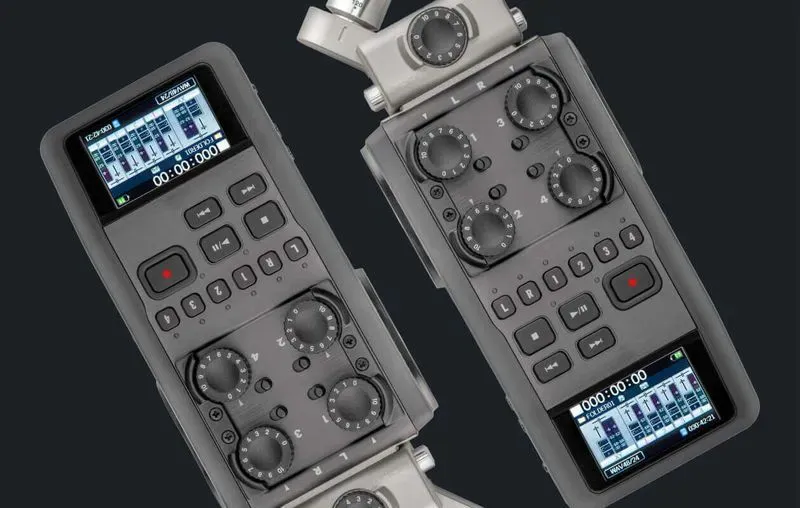
Riverside published a guide on how to choose the best Zoom recorder for different recording needs, outlining the main features, size options and workflow factors buyers should weigh when selecting a portable audio recorder for interviews, field notes, music, podcasts and other on-the-go capture, according to the vendor on 2026-07-15.
The guide says Zoom recorders are built for a range of uses including travel, journalism, live events, smart-city documentation and creator workflows, with models available from pocket-sized units to more advanced devices with multiple inputs and pro-grade controls. It frames the choice around the primary recording scenario, whether the recorder will be used indoors or outdoors, handheld or stationary, and whether the work involves solo note-taking, two-person interviews, group discussions or ambient sound capture.
For field use, the guide advises shoppers to look closely at durability, battery life and predictable controls. It also says the best choice depends on matching the recorder to the conditions in which it will be used most often, since a device meant for travel or outdoor reporting may need a different design than one intended for desk-based podcasting or longer recording sessions.
Riverside says several features should carry the most weight in a purchase decision, including microphone configuration, input options, recording formats, gain control, headphone monitoring and file transfer methods. The guide says X/Y and multi-mic setups suit different tasks, while external mic inputs are important for users who need higher-quality recordings. Battery type, storage options and USB connectivity are also presented as practical considerations that affect day-to-day use.
The guide further says buyers should think about how recorder size and design fit their workflow. Compact units offer portability and pocket carry, while larger devices can provide more controls and better ergonomics. Simple button layouts may suit beginners, while physical dials and screens can be more useful for advanced users who want quicker access to settings. Lightweight models are highlighted as a better fit for travel, while larger units may work better for longer sessions.
Budget is another factor the guide addresses, dividing devices into entry-level, midrange and advanced models with different price points and capabilities. It recommends prioritizing essentials such as audio quality, input flexibility and battery performance before paying for extras, and suggests skipping functions that will not be used, including multi-track recording or advanced app integration.
Before buying, Riverside advises comparing reviews, sample audio and real-world test results rather than relying only on spec sheets. It also recommends checking accessory support, firmware updates and warranty coverage. The guide closes with a decision checklist focused on where the recorder will be used, what type of audio will be captured, and which features are necessary for the intended workflow.
The article is part of a broader set of buyer guides and product-selection resources published by Riverside, including other coverage in its news section.