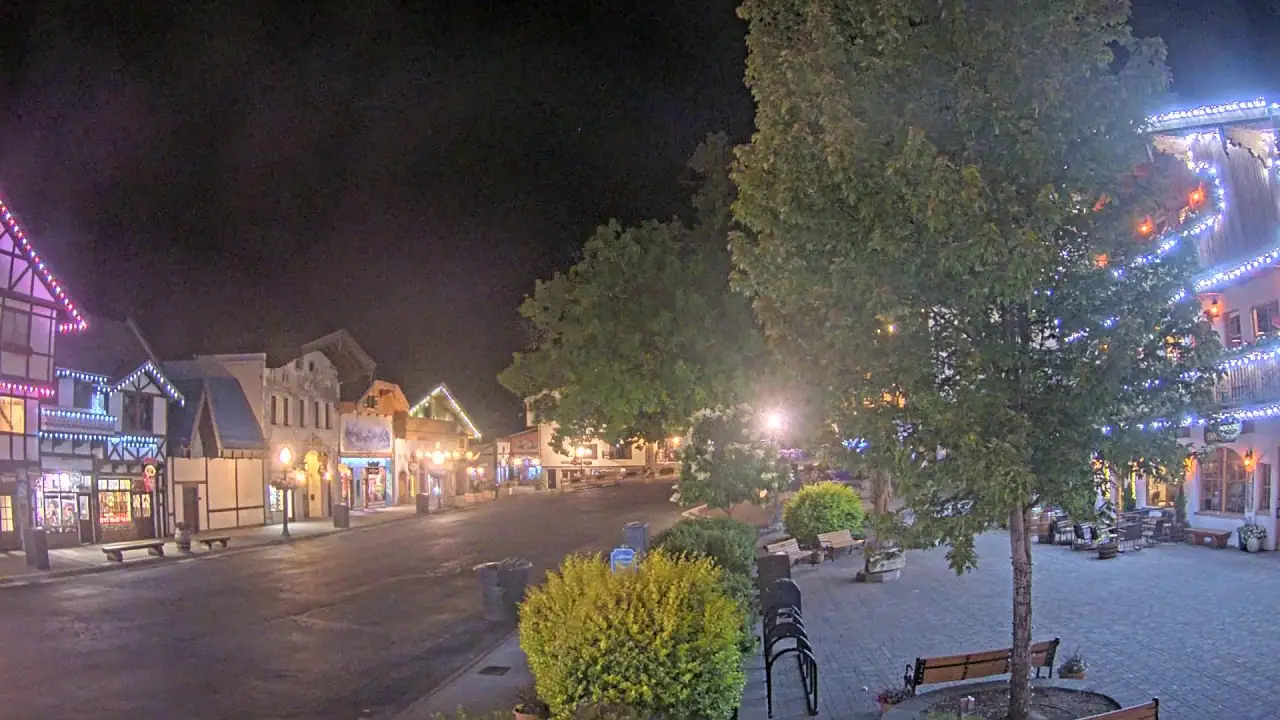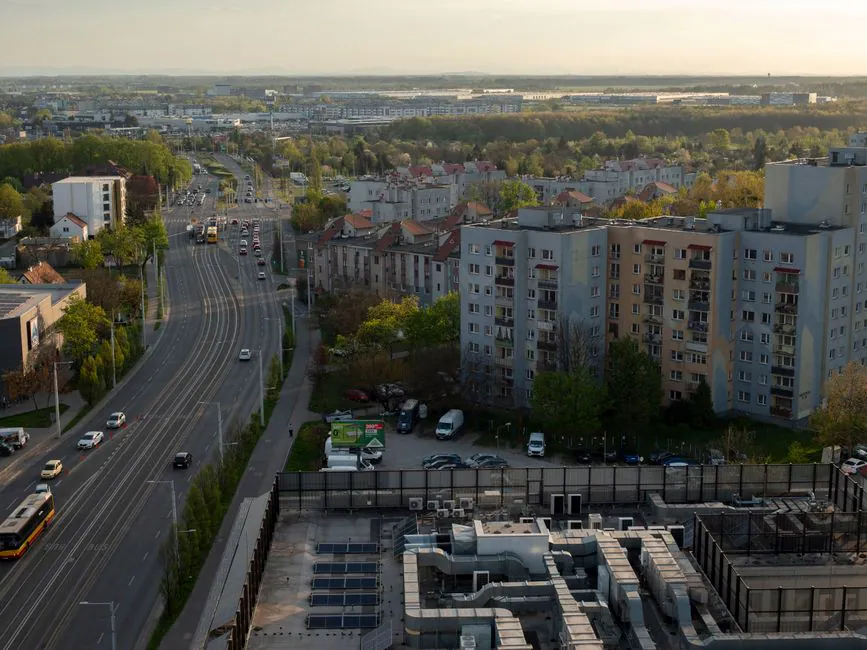
Public live webcams are moving from niche internet curiosities to everyday digital utilities in 2026, as tourism boards, wildlife groups and city operators use open streams to show places in real time. From beach fronts and ski slopes to nesting sites and downtown streets, the appeal is simple: viewers can see conditions as they are, without edits, summaries or scheduled broadcasts.
The format fits a broader shift in online habits. More people now check live conditions before making decisions, whether that means looking at weather, traffic, crowd levels or travel scenes. Public webcams offer the same kind of instant utility, but with a wider visual window into places that are otherwise distant or hard to access.
Why public webcams are gaining ground
Open live streams are easy to understand and easy to use. A browser page or embedded player can show a harbor at sunrise, a mountain pass during snowfall or a plaza during peak hours, with no login or long setup process.
That low-friction access matters because live video feels more trustworthy than a polished clip. Viewers do not need a highlight reel to understand whether a beach is busy, whether a trail is snowy or whether a city square is active.
Tourism uses webcams as a live window
Destination marketers have increasingly treated webcams as a permanent, always-on window into a place. Beaches, city centers, ski slopes and landmarks can stay visible around the clock, giving prospective visitors a live sense of atmosphere and conditions.
For travel planning, that matters in practical ways. A stream can help set expectations about weather, light, crowds and seasonality, while also sparking ideas for future trips. It can also keep destinations visible year-round, not only during peak campaign periods.
Unlike promotional video, a webcam does not need to sell an image. It simply shows what is happening now, which can be enough to support interest in a destination and encourage repeat visits to the page.
Wildlife streams keep audiences returning
Wildlife webcams remain one of the most durable parts of live-stream culture because animal behavior changes throughout the day. Nest cams, reserve feeds and habitat streams can attract repeat viewers who return to see feeding, movement, weather changes or rare moments that do not happen on a schedule.
That unpredictability gives the format staying power. A stream that shows little for hours may suddenly become compelling when a bird returns to a nest or a herd appears at a watering hole.
These feeds also serve a wider public purpose. They turn remote locations into accessible classrooms for education and conservation, allowing students, families and casual viewers to observe ecosystems without disturbing them in person.
Smart-city projects are adding a practical layer
City agencies are also using public webcams to communicate road conditions, waterfront activity and the general state of public spaces in real time. In many cases, the camera becomes one part of a larger information system that also includes transport updates, urban dashboards and weather data.
That combination can make a city feel more transparent and easier to navigate. Residents can check a crossing, a plaza or a shoreline before leaving home, while visitors can use the live view to judge movement, accessibility and daily rhythm.
The practical value is straightforward. When the public can see what a place looks like now, not only read about it, the city becomes easier to understand.
What Volve Vision contributes to the ecosystem
Volve Vision is part of the growing infrastructure around public live webcams. The platform gives users a global place to discover live streams across travel, nature and city categories, making it easier to browse scenes that would otherwise be scattered across many websites.
That kind of organization matters as the number of public cameras grows. By bringing streams into one searchable hub, Volve Vision helps audiences find relevant live views faster and helps partners reach a broader public without relying only on direct traffic to individual camera pages.
For users, the benefit is convenience. For stream operators, the benefit is discoverability.
Why the trend matters in 2026
Public webcams are thriving because they are simple, immediate and low-friction. They do not ask for a long commitment, and they do not try to overproduce reality. They just provide an open feed of a place at a particular moment.
That combination gives the format unusual range. It can serve tourism promotion, wildlife education and civic information at the same time, while also functioning as a piece of everyday entertainment for people who enjoy checking in on faraway places.
As demand grows for authentic live information, webcam culture looks set to remain part utility, part entertainment and part destination marketing well beyond this year.