For live camera operators, streamers and webcam viewers, the real question in 2026 is no longer whether a lens can resolve a little more detail on a test chart. It is whether the whole imaging chain — sensor, processing, autofocus, compression and lighting — delivers a feed that looks stable, usable and consistent in the real world. That is why the long-running obsession with ultra-sharp lenses is starting to look less like technical progress and more like a marketing habit that has outlived its usefulness.
The industry has spent years teaching buyers to equate sharpness with quality. But in everyday use, especially on webcams, travel cameras and live-stream setups, raw optical sharpness is only one part of image quality. In many modern cameras, it is not even the part most viewers notice first.
The sharpness obsession has outlived its usefulness
Sharper lenses still sell because sharpness is easy to understand and easy to measure. It is also easy to show in side-by-side samples, where a slightly crisper edge can make one product look superior on paper. That framing has pushed many buyers toward spending more for optical performance they may never see in a live feed.
That matters for anyone running a public webcam or a live-stream channel. Viewers rarely sit with paused stills and inspect the corners of a frame. They notice whether the image holds together as people move, weather changes, light fades and compression kicks in.
In that context, a lens that is merely good — not obsessively sharp — can be enough if the rest of the system is strong. The better question is not “How sharp is the glass?” but “How well does the camera produce a usable image in the conditions it will actually face?”
Why optics still matter, but less than before
None of this means optics no longer matter. Lens design still affects contrast, distortion, flare resistance, low-light behavior and edge performance. A poor lens can still undermine a camera, even if the sensor behind it is capable.
But extreme sharpness is not the same as overall image quality. A webcam on a desk, a travel camera in a street scene or a fixed public feed mounted above a crossing often benefits more from balanced rendering than from lab-grade resolution at the edges.
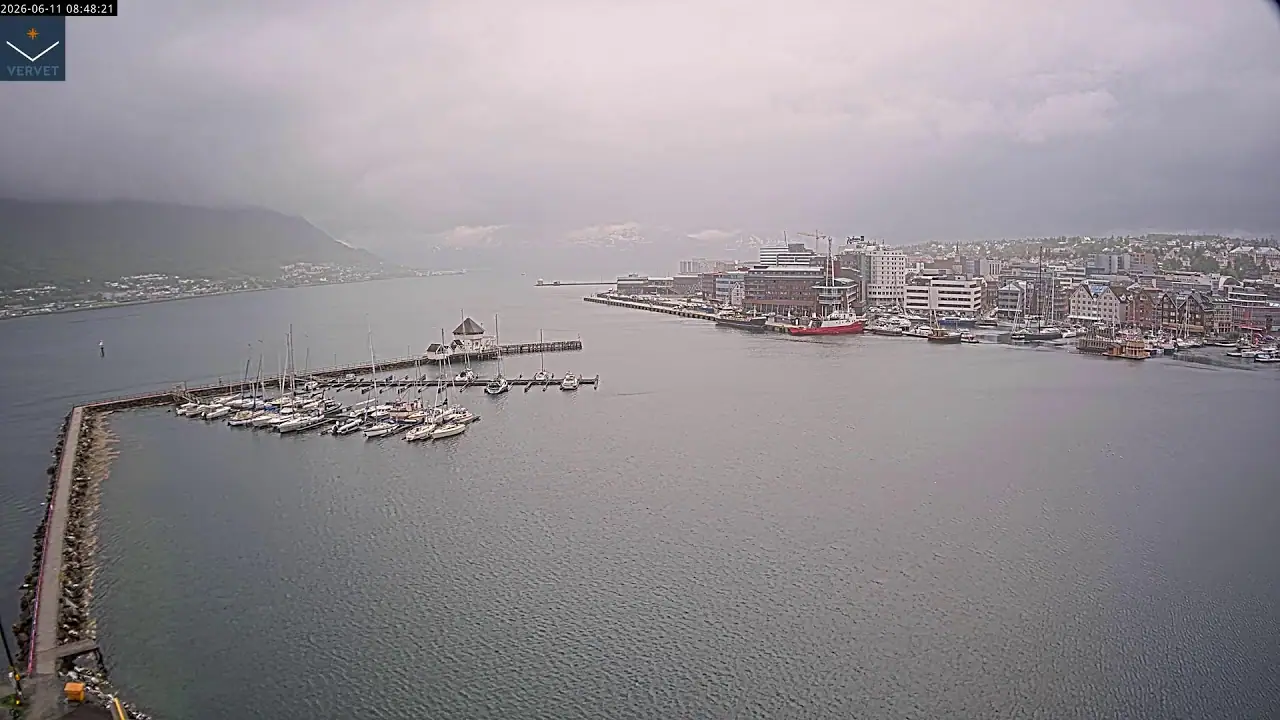
That distinction is especially visible in public camera monitoring, where weather, distance and lighting change constantly. A feed like Kyiv Test Construction Cam is judged by whether it stays readable across shifting conditions, not by whether it wins a lens shootout.
How software now hides optical weakness
Software has taken over much of the work once left to glass. Denoising, sharpening, HDR, face tracking and AI upscaling can make an average lens look far better in real use than it would have a decade ago. In many cameras, those tools are not add-ons; they are central to the image pipeline.
That changes the economics of camera buying. A lens that is slightly less sharp may still produce an excellent stream if the sensor is clean and the processing is well tuned. For live video, that can matter more than a premium optical formula that looks impressive in a spec sheet.
Post-production can also rescue footage after capture, especially for recorded travel content and edited highlights. But even in live workflows, in-camera processing can smooth over softness, manage exposure and suppress noise before the viewer ever sees the frame.
This is why the output of a street cam or public feed often depends more on system tuning than on a single component. A camera at Live Street View Lyns Laundry, Davao City, Philippines can look better because of well-balanced processing and exposure behavior, even if its optics are not marketed as exceptional.
The trade-offs buyers rarely hear about
Chasing maximum sharpness often brings trade-offs that get less attention than the marketing claims. More ambitious optics can mean higher cost, larger glass, more visible artifacts and less forgiving rendering when conditions turn difficult.
That can be a problem for live video. A lens designed to prioritize resolution may also show more aggressive edge behavior, harsher transitions or a less pleasant look in mixed lighting. In motion-heavy scenes, those flaws can be more distracting than a modest lack of detail.
For streamers, the issue is similar. A camera with a slightly softer lens but better autofocus, better skin tones and fewer exposure swings will usually create a better viewing experience than one that resolves every detail but produces unstable color and focus.
Travel cameras face the same reality. On the road, the best image is often the one that survives backlight, movement, variable interiors and quick framing changes without requiring the operator to fight the device. Sharpness alone does not solve those problems.
What matters more for webcams, travel and live video
For most viewers of public webcams, the features that matter are practical ones: exposure control, color accuracy, autofocus behavior, framing, stabilization and low-light performance. Those are the traits that determine whether a feed remains watchable across a full day, not just whether it looks crisp in ideal daylight.
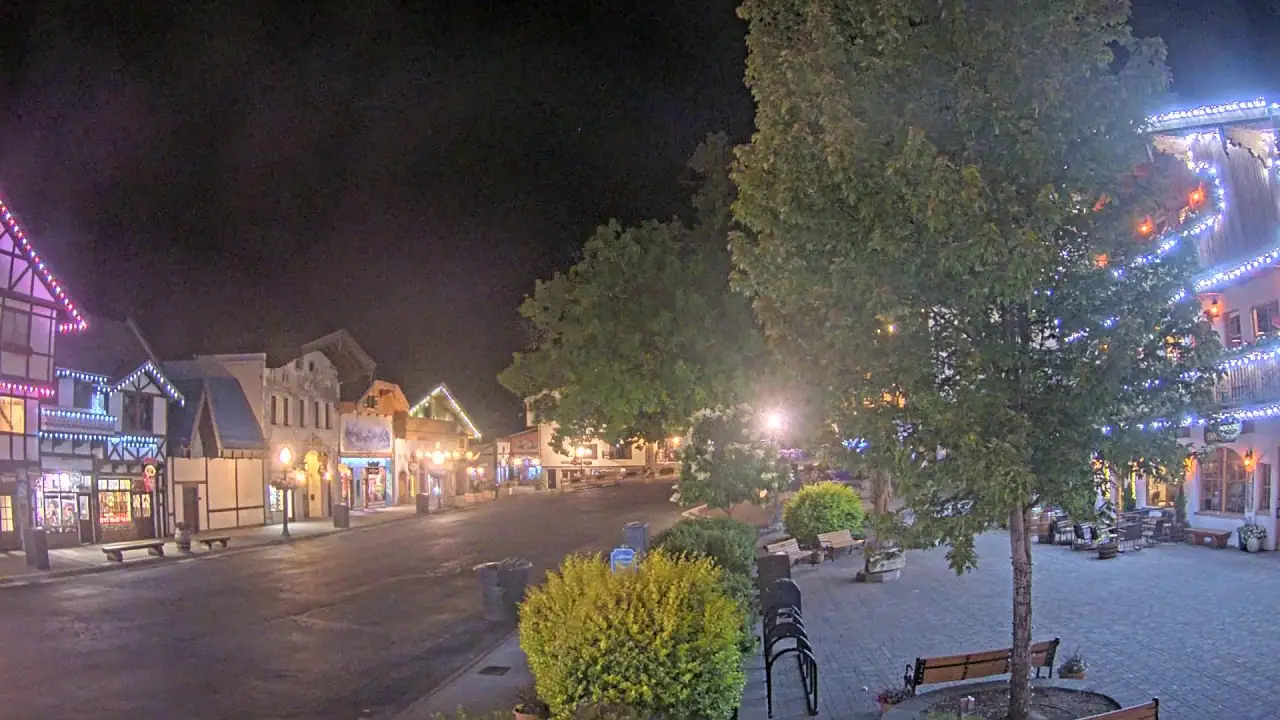
That is especially true for fixed cameras covering public spaces. A feed like Live Abbey Road Crossing Cam London succeeds when it preserves motion, light changes and scene clarity in a way that feels natural. The sharpest lens on the shelf is not automatically the best fit for that job.
Live-streamers face the same priorities on a smaller scale. Autofocus that does not hunt, white balance that does not drift and encoding that handles movement cleanly can matter more than another increment of optical resolution. In practice, viewers remember whether the stream felt steady, not whether the lens measured perfectly.
That is also why many camera buyers are now comparing systems rather than specs in isolation. The sensor, lens, firmware and processing have to work together, and the weakest link often determines the result.
The editorial verdict: sharper is not always better
In 2026, the best argument against the sharpness obsession is simple: lenses should be judged as part of a broader imaging chain. A camera is not just a piece of glass, and a good image is not produced by optics alone.
For some applications, especially those involving static subjects and controlled shooting, very sharp lenses still have a clear place. But for webcams, public live feeds, travel video and creator setups, the better choice is often the camera whose software, sensor and optics are balanced well enough to handle real conditions gracefully.
That is the practical takeaway for anyone buying or running live cameras now: the sharpest lens on paper is not always the best lens in the field. What matters next is how manufacturers tune autofocus, noise reduction and color handling for live scenes.