This week’s coverage kept circling the same pressure points: who controls the feed, who funds it, and how much the tools can do under real-world strain. From platform policy to camera hardware and creator strategy, the throughline was simple: live media works best when the workflow is built for the people using it.
Supervised viewing lands wider
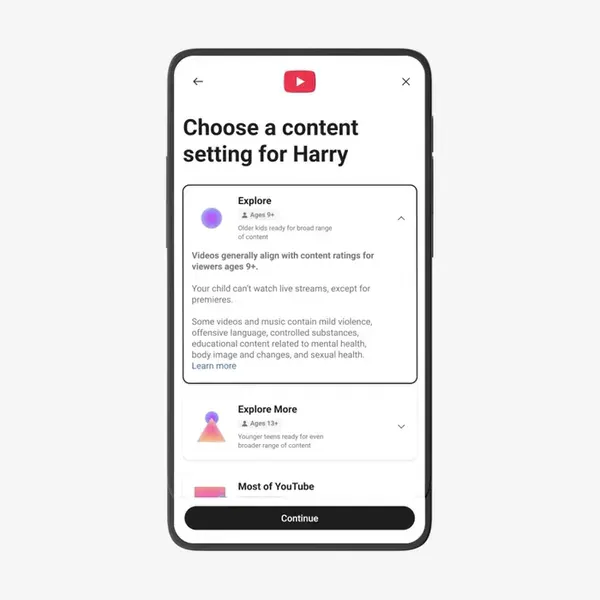
For live-camera operators and family-facing channels, YouTube’s expanded kid-account controls matter because distribution now comes with tighter household rules across Türkiye and MENA. The rollout gives parents more control over viewing limits and content access, and that policy shift is worth tracking in our full report.
Pitching brands gets formal
For creators trying to turn attention into revenue, Brand Deal Desk is a practical push toward cleaner outreach and better partnership language. Volvevision’s new series is built to help users sell themselves with more discipline, and the first details are in the launch story.
Field gear under pressure
For broadcast engineers and outdoor shooters, the Shinobi II test is really about staying steady when light and motion refuse to cooperate. Jon Bailey’s field notes show how faster camera control and touch-to-focus can keep a run-and-gun setup usable, as covered in our review.
Cinema tools for makers
For photographers and food creators, Simone Giuffra’s workflow shows that polished product imagery is usually won in the settings, not the styling. His use of exposure control and ProRes RAW on the Ninja makes the case for deliberate capture, which we unpacked in the full piece.
A refuge built on streams
For webcam viewers and livestream producers, Alveus is a sharp example of what happens when live video becomes an operating model, not just a broadcast format. Maya Higa’s refuge turns audience attention into animal care and community funding, and the mechanics are in our feature.
AI help for channel planning
For streamers trying to move faster without guessing, Ask Studio matters because it turns channel data into something closer to a working brief. The guide shows how creators can use it for brainstorming, audience insight, and planning, as explained in our guide.
Shorts for first-timers
For new creators, the main lesson is that a first Short does not need to be ambitious to be useful. YouTube’s Remix, templates, trending audio, and location prompts can do most of the setup work, which is why we pulled them together in this quick-start piece.
Next week, watch for more pressure on platform controls and more tools aimed at making live production simpler, safer, and easier to monetize.