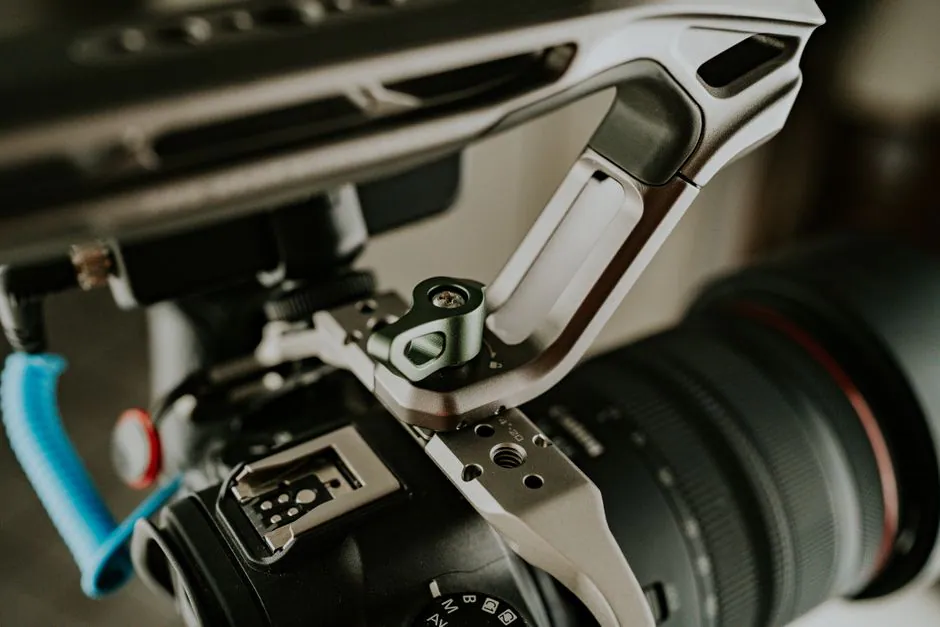
For live-camera operators and streamers, grip is not a cosmetic detail. A body that sits securely in the hand can make the difference between a smooth all-day shoot and a setup that feels tiring, shaky, or awkward once a heavier lens or accessory goes on. That is why the latest crop of camera bodies that prioritize handling matters: they are built for confidence as much as image quality.
Fujifilm, Nikon, and Canon each have models that stand out for a larger, more secure hold, and those ergonomics can be especially valuable for hybrid shooters, event coverage, and anyone filming on the move. For readers who spend time switching between handheld capture, travel, and live production, a better grip can be as useful as a new sensor or autofocus update.
Why grip matters in a camera body
A deeper grip improves stability, especially during long shooting days or when holding the camera one-handed. It helps distribute weight more naturally, which matters when a lens extends the front of the body or when a rig is carried through a venue, city street, or live location.
Grip design also affects comfort and control. Button reach, balance, and the confidence to move quickly all become easier when the camera fits the hand well. For users who care about handling as much as specifications, that can shape the shooting experience more than a small bump in resolution.
That practical angle applies to live-camera work too. A camera used for public feeds, behind-the-scenes streaming, or mobile content creation often sits in the hand longer than expected, so ergonomics can influence consistency over time. For more camera coverage, see our cameras news section and live streams coverage.
Fujifilm X-H2S: a compact body with serious hold
The Fujifilm X-H2S stands out as a compact mirrorless body with a pronounced grip and a layout aimed at fast, responsive shooting. It is a strong fit for users who want a secure handhold without moving into a much larger camera class.
That combination makes it appealing for hybrid work. Still photographers get a body that feels planted and controllable, while video shooters benefit from handling that does not feel fussy during longer sessions or quick position changes.
For travel, event coverage, and street-style capture, the X-H2S offers the kind of ergonomic confidence that can reduce hand strain and help keep framing steadier. For operators who move between live capture and edited content, that balance can matter as much as headline specs.
Nikon Z8: a pro-style grip in a more compact frame
The Nikon Z8 brings a deep, secure grip to a body that remains more streamlined than a traditional large pro camera. That makes it attractive to photographers and creators who want a substantial hold without carrying a bulkier chassis all day.
This is especially useful with heavier lenses. A solid grip helps the camera feel more balanced in hand, which can reduce fatigue during sports, travel, or content creation sessions that stretch longer than planned.
The Z8’s handling also supports a broad range of real-world uses. It can serve creators who need a capable stills body, but it also fits workflows where the camera is moved quickly, mounted often, or carried alongside other production gear. For context on on-location camera use, see the Kyiv test construction cam, where stable framing and reliable handling matter in tough environments.
Canon EOS R6 Mark II: comfort-first design for everyday use
The Canon EOS R6 Mark II takes a comfort-first approach with a grip that feels natural over long sessions. Its body shape is familiar and secure, making it easy to hold for extended shooting without the more abrupt feel some smaller cameras can have.
That can be a real advantage for everyday work. A camera that settles into the hand well is easier to carry, easier to aim, and less likely to become tiring when used for repeated shoots, walkaround filming, or handheld event coverage.
It also suits readers who want a practical camera rather than a large pro body. The R6 Mark II offers a secure feel without pushing into a heavier form factor, which makes it a sensible choice for users who want comfort to be part of the package rather than an afterthought.
How to choose the right grip for your needs
Hand size, lens weight, and shooting duration should drive the decision. A camera that feels modest in the store may become uncomfortable once a long zoom or accessory is attached, while a deeper grip can make a big difference for one-handed handling and travel use.
It is also worth separating raw specs from day-to-day usability. For many operators and creators, better handling improves consistency because the camera is easier to carry, easier to steady, and less distracting during long sessions.
That is especially true for public webcams and live-location work, where gear often stays active for hours and the operator may need to adjust quickly. Viewers following ongoing public feeds such as the Abbey Road crossing cam in London or the Lyn’s Laundry street view cam in Davao City can also see how consistent camera positioning depends on solid handling and stable placement.
Bottom line
The Fujifilm X-H2S, Nikon Z8, and Canon EOS R6 Mark II all show that grip is not a minor detail; it is part of how a camera performs in real use. For creators and camera operators, the best choice is the one that feels secure in daily work, not just impressive on a spec sheet.
Next, the cameras to watch are the ones pairing stronger ergonomics with better stabilization for handheld live use.