For anyone who points a camera at moving subjects — from sideline shooters to live-stream teams covering sports-adjacent events — the practical question is not just whether a lens is sharp, but whether it can keep up. 7Artisans’ 135mm f1.8 has just received new firmware, and a recent field test suggests the update improves autofocus behavior enough to make the lens a more credible option for fast action than it was before.
That matters well beyond still photography. A lens that tracks better and responds more confidently can be the difference between usable coverage and missed frames for operators who shoot live events, build highlight clips, or use interchangeable-lens cameras for on-the-ground streaming work. This story is both a firmware update and a revised verdict on what the lens can do in the field.
Why the update matters
7Artisans has released new firmware for the 135mm f1.8, and the change is tied to improved real-world autofocus performance. In practice, that means the lens is now handling movement with more confidence than it did before, especially in situations where subject tracking and responsiveness matter.
That kind of update is useful for anyone who relies on a lens in unpredictable conditions. Public-camera operators and live-stream producers know the same basic problem: if the system lags on a subject, the shot falls apart. A firmware tweak that improves how a lens behaves in motion can be just as important as a spec-sheet feature.
The broader takeaway is simple. This is not just maintenance firmware. It changes how the lens should be judged, especially for photographers who previously considered it a portrait telephoto first and a sports lens second.
What changed in recent testing
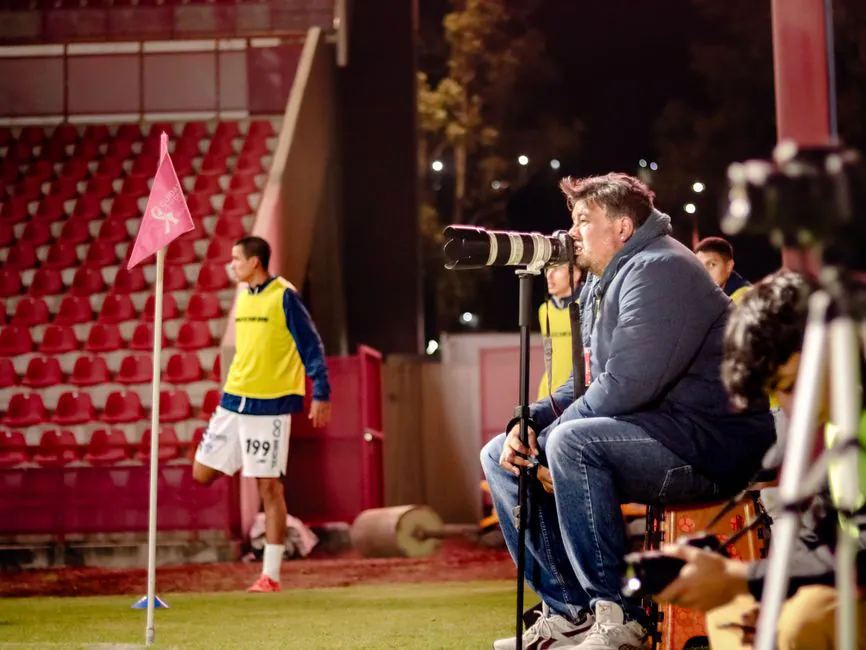
The update follows a recent field test with the Nikon Zf at a soccer game. The reaction was immediate enough that the staff texted back saying, “Yo, the Nikon Zf is a beast at sports photography,” after the shoot. That first impression came from how well the camera and lens combination handled the pace of the game.
According to the revised assessment, the 7Artisans 135mm f1.8 now performs better in tracking and responsiveness than it did before the firmware update. That does not turn it into a flagship sports optic overnight, but it does move the lens into a more serious category for action shooting.
For readers who also follow live public camera feeds, the comparison is familiar. A camera can look fine in a static test, then reveal its limits the moment motion enters the frame. That is why stories like the Abbey Road crossing cam in London or the 9 de Julio live cam in Buenos Aires are often more revealing than a lab setup: movement exposes everything.
How the 135mm f1.8 fits sports shooting
On paper, 135mm is a sensible sports focal length. It gives enough reach for sideline work, field action, and tighter framing without forcing the shooter so far back that the scene loses energy. For small venues, youth sports, and close-quarters action, it is a useful middle ground.
The f1.8 aperture also helps. It gives more flexibility in lower light and allows stronger subject separation, which is useful when the background is busy or the action is happening in less-than-ideal lighting. That combination makes the lens more adaptable for real events, not just controlled tests.
The firmware update matters because sports shooting is less about isolated sharpness and more about the ability to follow action. A lens that is a little more confident under motion becomes more viable for scenes that change quickly, whether that is a soccer match, a stage event, or a live community broadcast.
That logic applies to other visually demanding live feeds as well, from construction monitoring at the Kyiv test construction cam to public street scenes like Lyn’s Laundry street view in Davao City. In every case, movement and timing expose whether a camera system can keep up.
What buyers should know before pulling the trigger
The updated 7Artisans 135mm f1.8 should be viewed as an improved option, not a full replacement for native pro sports glass. It is more convincing now, but it still lives in a category where camera body support, autofocus tuning, and subject speed will shape the final result.
That means the lens may feel stronger on one body than another. A body with better tracking and subject recognition will likely get more out of the firmware update, while a slower or less capable system may still show the lens’s limits under pressure.
Buyers should also check whether their copy supports the latest firmware before assuming they will get the same behavior seen in testing. For photographers who already own the lens, the update could be enough to justify revisiting it for more than portraits. For new buyers, it makes the lens easier to consider as a budget-friendly action option.
Our updated verdict
The 7Artisans 135mm f1.8 has moved from being an interesting telephoto with a strong portrait case to something more credible for sports. The new firmware changes the tone of the earlier review because it improves the part of the lens that matters most for movement-heavy shooting.
That does not erase the fact that pro-level sports work still favors more established native lenses. But for photographers who want a fast 135mm and are willing to work within some limits, this version of the lens looks meaningfully better than the earlier one.
Anyone shooting field sports, live events, or fast-moving public scenes should keep an eye on how 7Artisans continues to refine autofocus behavior in future firmware. That next update may matter even more for the people using these cameras in the real world.