For anyone running a live outdoor camera, shooting a stream from the street, or covering a job site in bad weather, camera sealing is not a minor spec. It can be the difference between keeping a feed online and pulling gear out of the rain, dust, or sea spray. Sony’s full-frame lineup includes two bodies that stand out for that kind of protection: the Alpha 7R V and the Alpha 1.
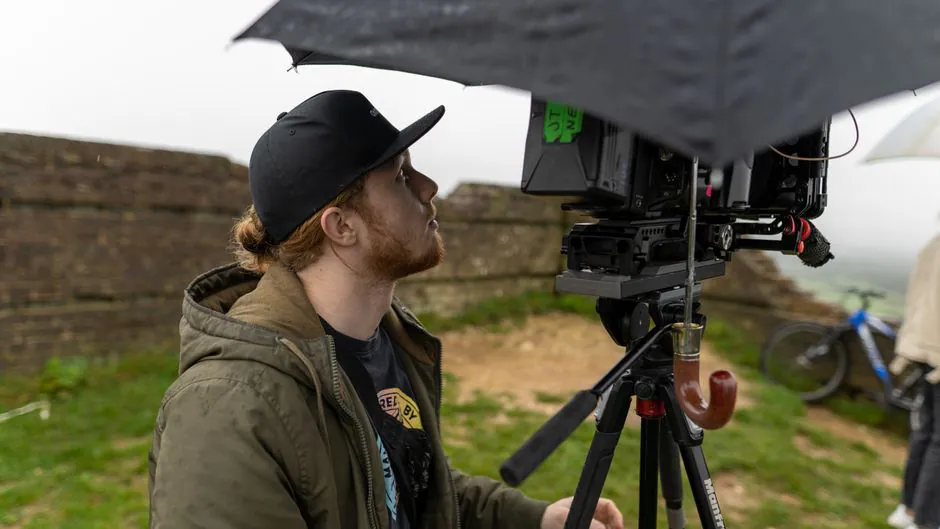
That matters beyond still photography. Live-camera operators and content creators often work in changing conditions where moisture and grit are part of the job, whether the setup is fixed or mobile. A sealed camera body does not make equipment waterproof, but it does add confidence when a shoot or stream cannot pause for the weather.
Why weather sealing matters in the field
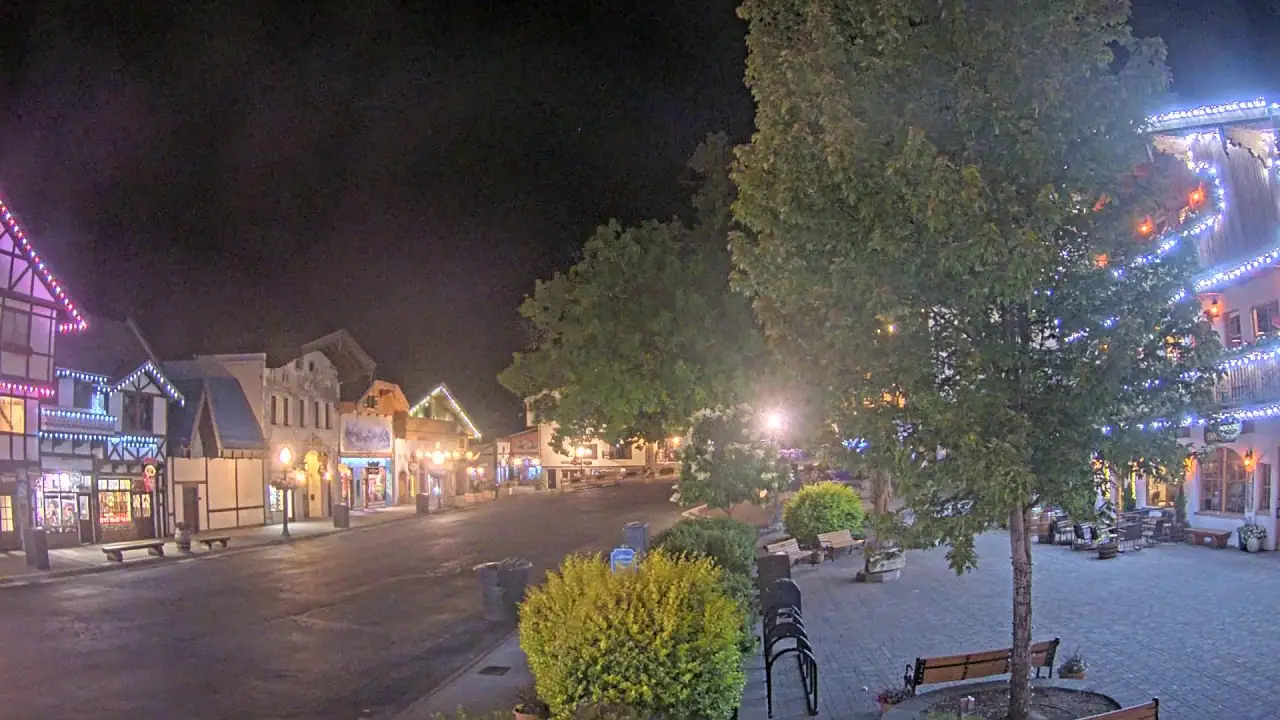
Weather sealing is a practical layer of protection against dust, moisture, and light rain. For photographers, that can mean more flexibility on hiking trips, city walks, shoreline work, and documentary assignments. For anyone mounting a camera near an open window, on a rooftop, or beside a public square feed, it can also reduce the risk of weather-related interruptions.
That protection should still be treated with care. Sealed bodies help, but they are not a license to leave a camera exposed for long periods or to operate in conditions beyond the manufacturer’s intent. For live work, sealing is best understood as a margin of safety rather than a substitute for proper housing or planning.
This is one reason Sony remains a common choice among demanding users. The company has built a reputation for strong image quality, compact full-frame bodies, and a broad lens ecosystem. For photographers who need a durable camera for landscapes, travel, city scenes, and documentary work, those traits often matter as much as sensor specs.
Sony Alpha 7R V: detail-focused and built for hard use
The Sony A7R V is aimed at photographers who want very high resolution and advanced handling in a full-frame body. It is best known for its detail-rich output and its premium feature set, but it also appeals to users who need a camera that can travel well and handle variable conditions.
Its weather sealing is part of that appeal. For landscape shooters working at dawn, urban photographers moving through unpredictable weather, or documentary crews carrying a camera all day, the A7R V offers a blend of image quality and protection that fits serious field use. It is the kind of body that can sit alongside a support rig, travel kit, or expedition bag without feeling fragile.
That balance also makes it relevant to some live-production workflows. While it is not a webcam or broadcast camera by design, a sealed full-frame body can be useful for hybrid still/video work, location capture, and creator setups where the camera may be exposed outdoors between takes. Readers following equipment trends on Volve Vision’s camera news coverage will recognize that durability increasingly matters alongside resolution and autofocus.
Sony Alpha 1: flagship speed and pro-grade protection
The Sony A1 sits at the top of Sony’s full-frame lineup and is positioned for professionals who want speed, resolution, and handling in one body. It is a flagship model, and its build quality reflects that role. In demanding assignments, the ability to trust the camera body matters as much as the image pipeline.
Its sealing and rugged construction make it attractive to photographers working in the field, especially those who cannot control the environment. Wildlife shooters, travel professionals, and event teams often need a camera that can move from one location to another without constant concern over weather or dust exposure. The A1 is built for that kind of pressure.
For operators who already manage outdoor feeds, the same logic applies even if the camera is not used in a stills-first role. A robust full-frame body can be part of a portable capture kit for location recording, behind-the-scenes content, and high-end creator production. Coverage like live streams increasingly overlaps with stills and video hardware choices, especially when the work is done outside a studio.
Who should consider these cameras
These Sony bodies are not for buyers who only want the lowest-cost full-frame option. They are aimed at users who need better build quality and dependable protection along with strong image performance. That includes travel photographers, landscape shooters, wildlife users, and working professionals.
The choice between them depends on priorities. The A7R V makes the most sense for photographers who value extreme detail and a premium all-around stills platform. The A1 is the better fit for users who want flagship performance and a body that can handle demanding assignments with less compromise.
For public-facing camera operators, the takeaway is straightforward: sealing can extend where and when a camera can be used, but only within reason. A camera placed near a busy street feed or exposed scenic view still needs proper mounting, maintenance, and operational judgment. Examples like the live Abbey Road crossing cam in London and the Kyiv test construction cam show how outdoor camera work often depends on surviving the elements as much as on delivering a clean image.
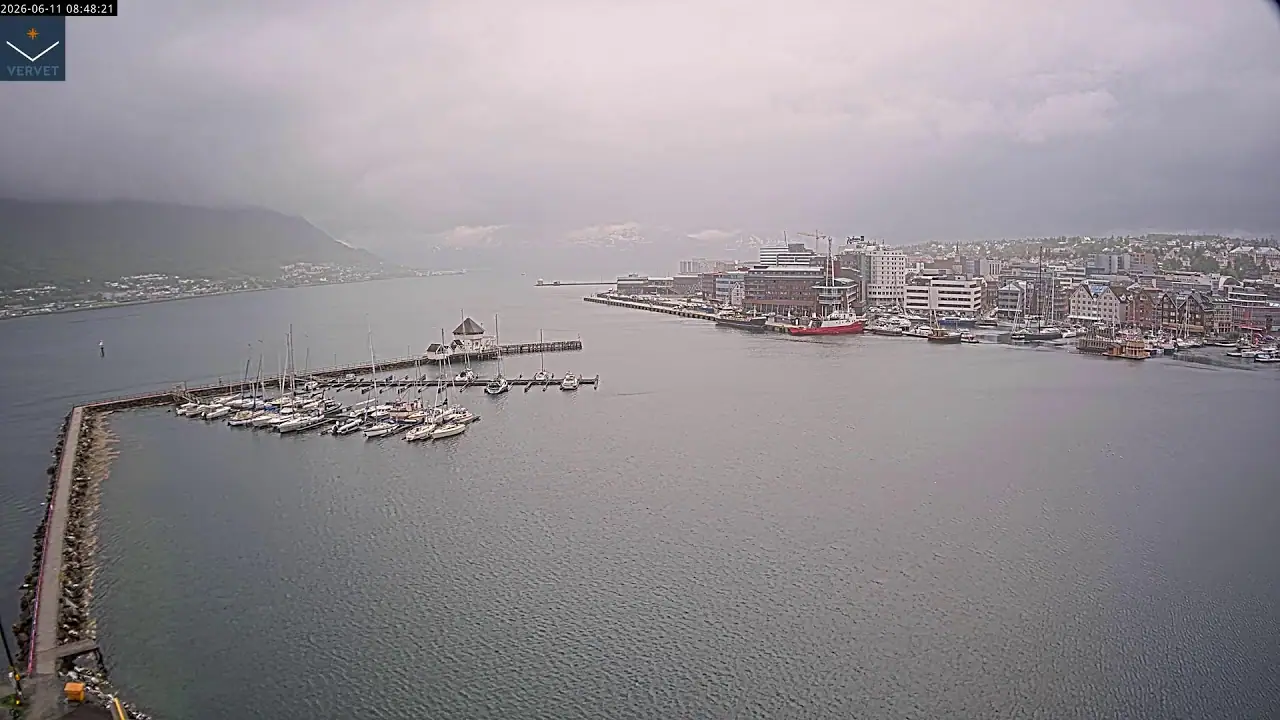
That is also why many viewers notice when a public feed stays stable through bad weather: it usually reflects careful hardware selection as much as network reliability. Whether it is a street view, a construction site, or a travel feed such as Lyns Laundry street view in Davao City, the camera body has to cope with the real world first.
Bottom line
Sony offers more than one full-frame camera with exceptional weather sealing, but the A7R V and A1 stand out for serious users who need both image quality and confidence in difficult conditions. In practice, that means durability remains a key buying factor, not just a bonus spec.
For photographers and streamers who work outdoors, the next products to watch are the bodies and accessories that make weather protection easier to trust in daily use.