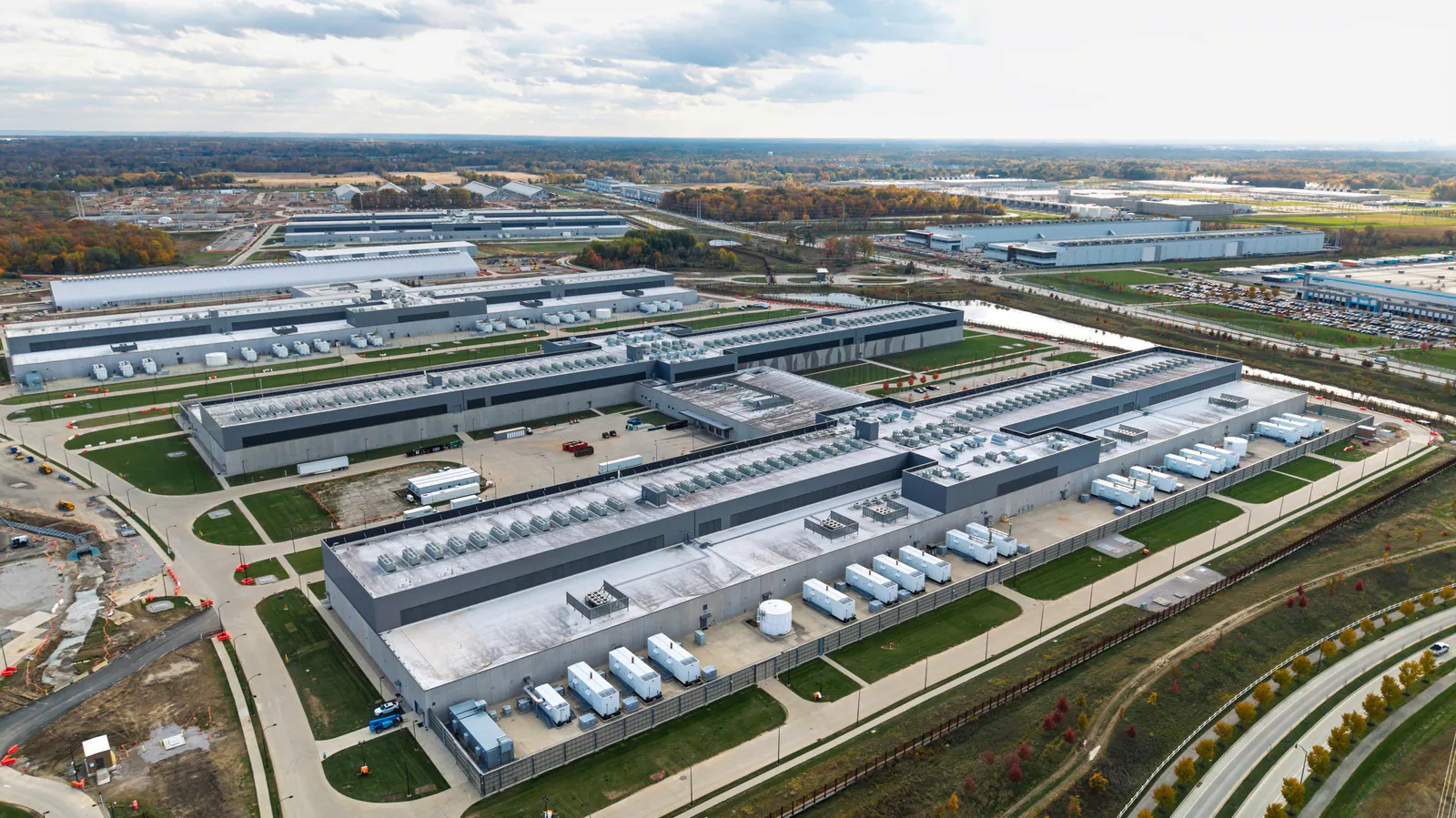
For anyone running a public webcam, building a live-streaming stack, or relying on cloud video tools, Seattle’s move to slow large data centers is a reminder that the infrastructure behind the feed is now a local land-use issue. The City Council has approved a moratorium on new large data center construction while officials study zoning, energy demand, and neighborhood impacts.
What the council approved
The Seattle City Council has backed a temporary pause on the construction of large data centers. The moratorium is meant to give city officials time to review how these facilities fit into local land use rules, utility planning, and community standards before more projects move forward.
Under the proposal, the pause targets large-scale server campuses rather than the smaller equipment rooms and modest facility upgrades that already support ordinary commercial buildings. Existing data centers are expected to remain in operation, while the city studies whether the current rules are adequate for future projects.
Why city leaders want a pause
Council members and city staff have pointed to a familiar set of concerns: heavy electricity demand, water use, noise, traffic, and the footprint large data campuses can leave on industrial land. Those questions have become more urgent as AI services, cloud storage, and always-on media workflows drive more demand for compute-heavy infrastructure.
The stated goal is not simply to block development, but to review whether Seattle’s zoning code should require stronger environmental review, better neighborhood buffers, or community benefit requirements before more large facilities are approved. For a city trying to balance growth with livability, the issue is how much of the urban grid should be devoted to machines that are essential but rarely visible.
Why data centers matter to camera users
Data centers sit behind the tools many readers use every day, from cloud backup and remote monitoring to streaming platforms, mapping services, and AI-assisted editing. A public webcam feed may look simple on the surface, but the chain that delivers it often runs through leased racks, content delivery networks, and storage systems housed in facilities like these.
That is why a zoning fight in Seattle matters beyond local politics. Every new live cam, remote production workflow, or long-running stream depends on reliable data infrastructure somewhere, even if the operator never sees the building itself. For a visual sense of how camera networks connect to real places, compare a construction feed such as Kyiv test construction cam with a street-level public view like Live street view: Lyns Laundry, Davao City.
What it could mean for Seattle’s tech economy
A year-long moratorium could slow site selection for developers and cloud providers looking at the Seattle area. Companies that need large power allocations and fast permitting may decide to move projects to nearby suburbs, other states, or markets that offer more room and fewer restrictions.
That does not necessarily mean Seattle loses all of the related economic activity. But it does mean the city may be signaling that utility load, land use, and community impact will carry more weight in future approvals than they have in the past. For operators and vendors, that can affect where edge infrastructure gets placed, where latency improves, and where new live-streaming capacity is built out first.
Big data centers can bring investment, tax revenue, and construction work. They can also consume large parcels of land while creating fewer permanent local jobs than other industrial uses, which is part of why cities across the country are rethinking how much they want to compete for them.
Why this matters beyond Seattle
Seattle’s decision fits a broader national debate about AI-era infrastructure, energy planning, and how much pressure cities can absorb from the digital economy. Municipal leaders are increasingly asking whether cloud growth should be managed like any other major utility and land-use decision, rather than treated as invisible background support for the internet.
For readers focused on smart cities, travel, and live camera networks, the policy question is straightforward: where the servers go will shape where connectivity is strongest, where new feeds are easiest to deploy, and how resilient those systems are when demand spikes. As more cities weigh similar rules, expect the map of live video infrastructure to keep shifting.
Readers should watch whether Seattle turns the pause into stricter permanent rules, or whether other cities follow with their own limits on large AI and cloud campuses.