For people who watch cities through public webcams or rely on live feeds to follow major events, Amnesty International’s warning is not abstract. It signals that World Cup coverage could become harder to monitor, with more policing, more restrictions around public space and more digital scrutiny shaping what fans and residents can see and do on the ground.
The organization says FIFA’s tournament may affect the rights of local residents and visiting soccer fans across all three host countries. Its concern is not limited to workers or activists; it extends to ordinary matchgoers, travelers and anyone moving through stadium areas, transport hubs and fan zones during the event.
What Amnesty International is warning about
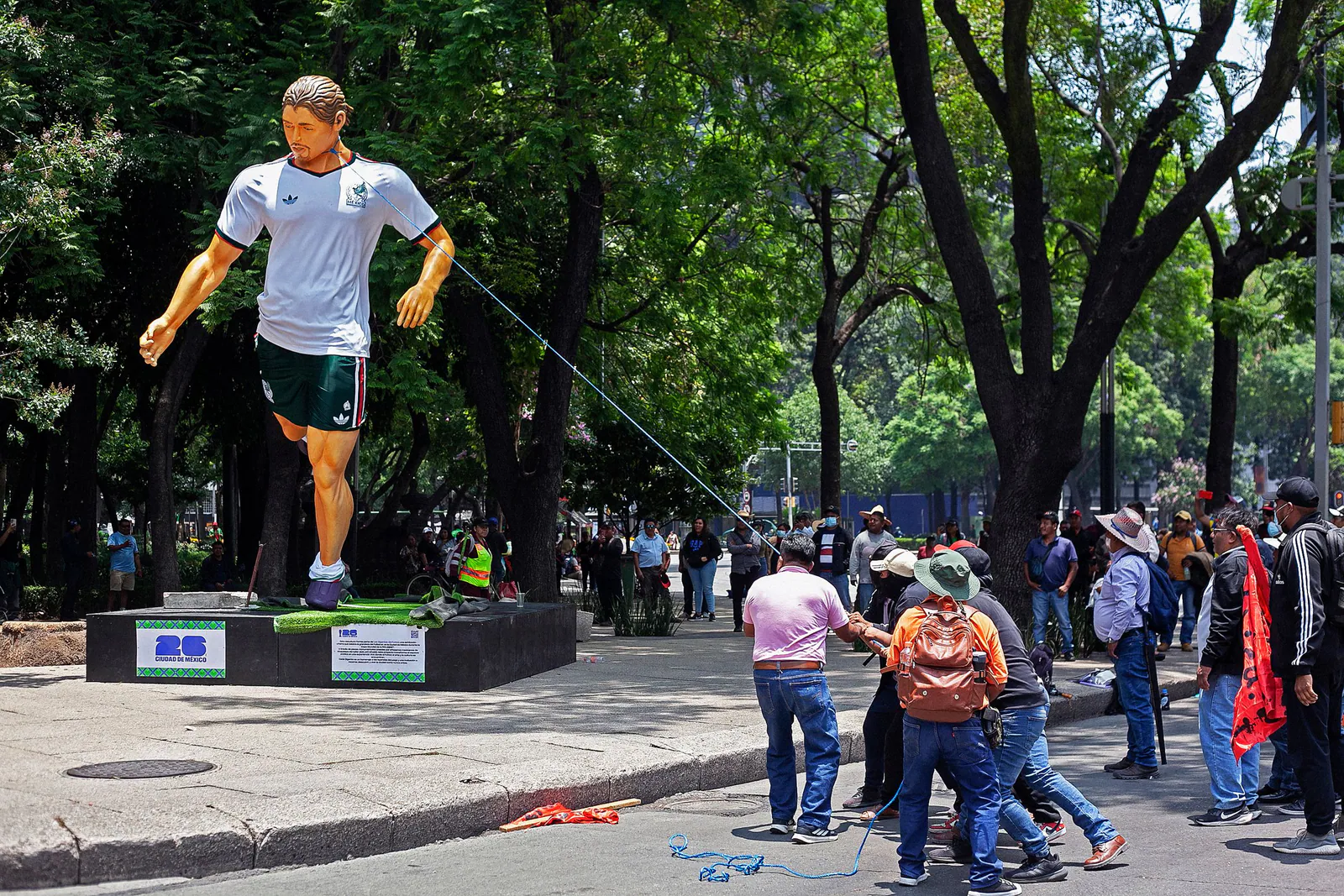
Amnesty’s core claim is that the tournament could create rights risks in all three host countries, especially where large-scale security planning collides with everyday life. That can include restrictions on assembly, tighter policing of public areas and pressure on people who are simply trying to get to matches or public viewing sites.
For livestream audiences, that matters because the visible parts of a tournament are often only half the story. The other half lives in street-level conditions: checkpoints, crowd control, protest limits, and whether public cameras are allowed to show the full picture or only the sanitized version.
How the tournament could affect fans on the ground
Large events routinely bring heavy security measures, but Amnesty is warning that those measures can go too far. Fans may face document checks, transport delays, searches at transit nodes and uneven enforcement of local rules, especially near venues and fan zones.
There is also the risk of discrimination in policing or access to public space. If authorities treat some neighborhoods, groups or supporters more aggressively than others, the live experience changes quickly from festive to restrictive.
For visitors, the practical issue is not only whether an incident happens, but whether there is any clear path to complain about it. In fast-moving crowd environments, people often have limited time, limited language support and limited evidence collection options if something goes wrong.
Why live-stream audiences and webcam watchers should care
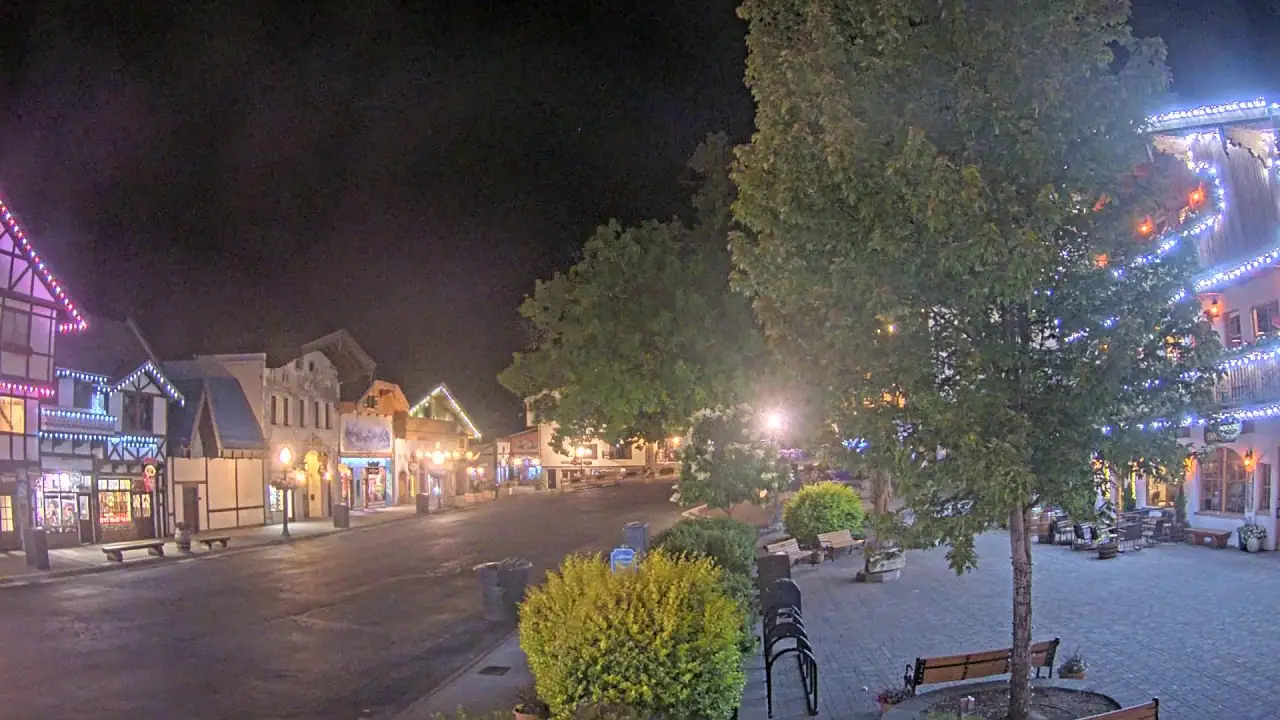
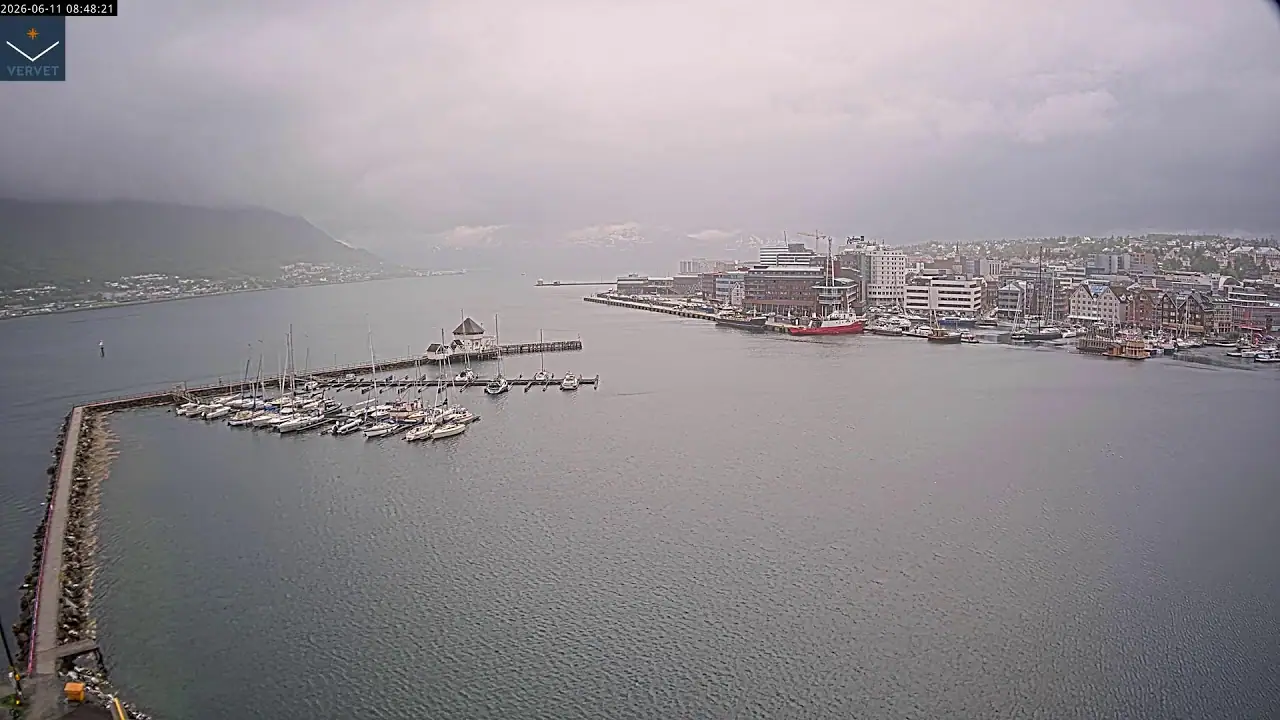
Readers who follow events through city feeds and public webcams often see the effects of these policies first. A camera pointed at a plaza may suddenly show cordons, rerouted foot traffic or blocked access to a station entrance long before a traditional news report catches up.
That is one reason live-event monitoring matters to this audience. Feeds such as the Abbey Road crossing cam in London or the Buenos Aires 9 de Julio live cam show how public space changes under pressure, even when the underlying event is not political. During a World Cup, the same kinds of crowd and transport dynamics can reshape what viewers see on any public feed.
For camera operators and streamers, the lesson is similar. Venue security, street closures and local enforcement can affect shot selection, access permissions and whether a stream can safely capture the environment around a stadium or fan march.
Digital surveillance, data collection and smart-city infrastructure
Major tournaments often accelerate the use of cameras, facial recognition, mobile tracking and venue apps. Officials describe those tools as safety upgrades, but they also expand the amount of information collected about where fans go, how long they stay and whom they are with.
That tradeoff matters most in cities that already have dense surveillance networks. More cameras can help manage crowds and emergencies, yet they can also make visitors more identifiable and more traceable than they realize, especially if multiple systems are linked behind the scenes.
Public webcams sit in the middle of that tension. They are often presented as neutral infrastructure, but during major events they become part of a larger monitoring environment that can influence how transparent a city feels to outsiders. For readers tracking construction, movement and security patterns, even a routine feed can reveal how a host city is adapting; see, for example, the Kyiv test construction cam for how public-facing cameras can document a changing urban environment.
This is where privacy concerns meet event planning. Safety systems are not automatically abusive, but they become more controversial when visitors do not know what data is collected, how long it is retained, or who can access it.
What FIFA and host cities may say in response
FIFA and host governments are likely to defend the security apparatus as necessary for public safety. They may point to crowd management plans, anti-discrimination policies, emergency coordination and fan protection measures as evidence that the tournament is being run responsibly.
Those claims matter, but they are not enough on their own. Independent oversight, transparent rules and clear reporting channels are what let residents and visitors know where to turn if a police action, search procedure or access restriction crosses a line.
For a publication focused on live camera ecosystems, that transparency question is especially important. If a city is relying on smart-city systems and public-facing video during a global event, the public should know what those systems are doing and how complaints will be handled.
What travelers should watch before and during the matches
People heading to the tournament should check local laws, transport rules, emergency contacts and event advisories before arriving. Small details, such as restricted items, permitted protest areas or station closures, can change the shape of a match day quickly.
Official city alerts, embassy guidance and live webcams can help travelers gauge crowd conditions and disruptions in real time. A feed like the Davao City street-view cam shows how useful simple street-level observation can be when plans change and roads fill up.
For viewers who rely on live streams rather than being on site, the broader takeaway is clear: the tournament is not only a sports event, but a test of how surveillance, public space and rights interact under pressure. The next thing to watch is whether host cities publish enough detail to show how they are balancing security with public access.