For anyone who runs a live camera or watches one, the draw of the 2026 World Cup’s new referee cam is simple: it turns a premium sports broadcast into a first-person live feed. FIFA says referees will wear temple-mounted cameras that show the match from the official’s point of view, adding a perspective that broadcast viewers rarely get while also giving production teams another angle to work with.
The move fits a broader shift in live video, where viewers increasingly expect more than a single fixed broadcast frame. Whether the subject is a stadium, a street corner, or a public webcam like the Abbey Road crossing cam in London, audiences respond to viewpoints that feel immediate and present. FIFA is betting that a ref’s-eye view can deliver that same pull on soccer’s biggest stage.
What FIFA is planning for 2026
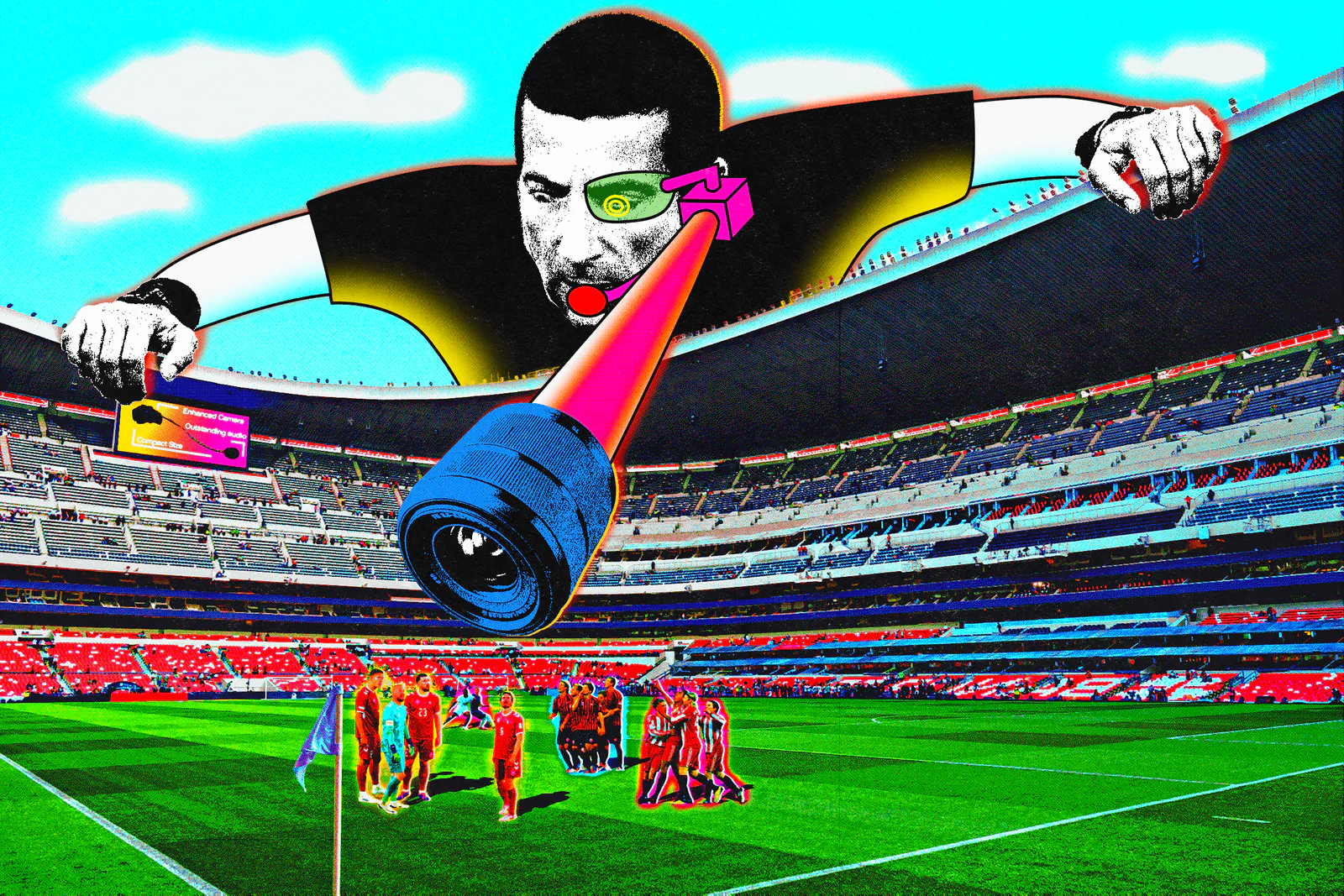
According to FIFA’s plan for the tournament, referees at the 2026 World Cup will wear cameras mounted near the temple. The feed will capture the pitch from the official’s perspective, including player movement, field position and the moments that lead into calls and confrontations.
FIFA has framed the feature as part of a more tech-forward viewing experience for the tournament. The stated goal is not to replace the main broadcast, but to add a live angle that helps audiences see the game in a way that feels closer to the action and more transparent about officiating decisions.
That makes the referee camera both a production tool and a storytelling device. For broadcasters, it is another way to show what happened in the moments before a foul, a card or a controversial challenge. For fans, it is a chance to see how much ground a referee has to cover to stay close to play.
How the referee camera feed will work
The camera will sit high on the referee’s head, angled to catch what the official sees while moving through open play. In practical terms, that means a fast-changing view of passing lanes, set pieces, collisions and sideline interactions, all from inside the match rather than from the stands.
Broadcasters are expected to use the footage as a supplemental angle, not as the primary live transmission. That is an important distinction for anyone building live workflows: novelty works best when the main program feed remains stable and the alternate shot is ready for replay, highlights or social distribution.
The technical demands are obvious. Head-mounted video has to stay usable during sprinting, turns and contact, and audio has to remain intelligible even as the referee moves through crowd noise. Image stabilization, latency and mounting security will all matter if the feed is going to be more than a curiosity.
That challenge will sound familiar to anyone who has managed outdoor live cameras in motion-heavy environments. The same questions show up on construction feeds, traffic cams and other live systems where the camera has to survive vibration, changing light and constant movement. A project like the Kyiv test construction cam shows how much value there is in a steady, readable image when the scene itself is already chaotic.
Why the angle matters for viewers
The referee’s-eye view can make elite soccer feel closer and more physical. Fans will be able to see how quickly the field compresses, how often players crowd the official and how little time there is to judge a challenge or advantage call.
That perspective may also help viewers understand why certain decisions happen so fast. A wide broadcast shot can make a referee look distant from the play; a temple-mounted feed should show just how much is happening in a small patch of grass at full speed.
This is part of a larger appetite for immersive live video across sports and beyond. Public-facing camera feeds have already trained viewers to appreciate real-time perspective, whether they are watching a busy intersection or a live street view like Lyn’s Laundry in Davao City. The common thread is not just seeing a place, but feeling present inside it.
What it could mean for sports broadcasting
FIFA’s plan also signals a wider openness to experimental sports coverage. Broadcasters have spent years layering in drone shots, player-tracking graphics, helmet cams and interactive alternate feeds; a referee cam extends that logic to the person enforcing the rules rather than the players making the highlight reel.
If the footage works well, it could show up in more places than the live telecast. Editors may lean on it for highlights, social clips and replay packages, especially during contentious moments when the official’s line of sight matters. That kind of reuse is increasingly standard for live video systems that can feed multiple platforms from one capture point.
For streaming teams, the lesson is straightforward: one camera can serve several outputs if it is planned correctly. The World Cup has the reach to normalize that approach, and a successful referee cam could push other leagues, federations and event producers to try similar setups on smaller scales.
The privacy and officiating questions
Any camera attached to a referee raises questions about pressure and behavior. Officials may be more cautious knowing their every glance and gesture can be replayed from their own point of view, and that could affect how they manage contact, dissent and high-stakes decisions.
There are also familiar broadcast concerns. A live feed must balance transparency with player privacy, match integrity and rights management, especially if the footage becomes shareable beyond the main production. The camera may be marketed as a window into officiating, but it still sits inside a tightly controlled live sports environment.
That is likely to make the referee cam a subject of close scrutiny from fans, analysts and technology watchers. Some will see it as overdue access to the reality of officiating; others will worry about whether it changes the behavior it is meant to reveal.
Why Volvevision readers should care
For Volve Vision readers, the relevance goes beyond soccer. The referee cam sits in the same conversation as smart city cameras, public webcams and other systems that turn a fixed lens into a real-time public window. The more live video moves from passive observation to immersive perspective, the more important camera placement, stabilization and workflow design become.
It also reinforces a broader trend in live streaming: audiences want viewpoints that feel immediate, human and a little unexpected. A temple-mounted camera on the world’s biggest sporting stage is a strong signal that live video is becoming more distributed and more experiential at the same time.
Readers who track live streams and camera systems should watch how broadcasters package the footage, because that will shape whether referee cams stay a one-tournament experiment or become a new standard for live event coverage.